Standard optimization literature often focuses on throughput, aiming to increase data processing speeds from 3 GB/s to 5 GB/s. This approach is effective for batch processing tasks like shader compilation, light baking, or navmesh generation, where linear data traversal and vectorization are key.
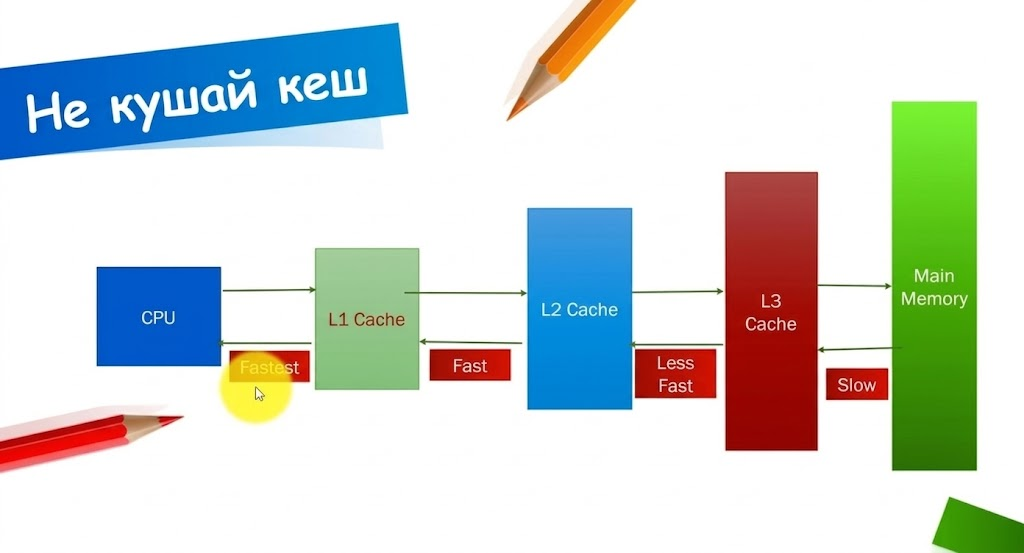
However, game development, particularly for simulators and strategy titles, faces different challenges. These projects prioritize latency over raw throughput. Developers must manage cache usage to prevent critical data from being evicted and avoid bus contention between competing processes.
Techniques used in high-frequency trading or medical systems often do not translate directly to game engines. Consequently, game developers must implement specific strategies to minimize cache cannibalism and ensure that latency-sensitive tasks remain performant within the memory hierarchy.