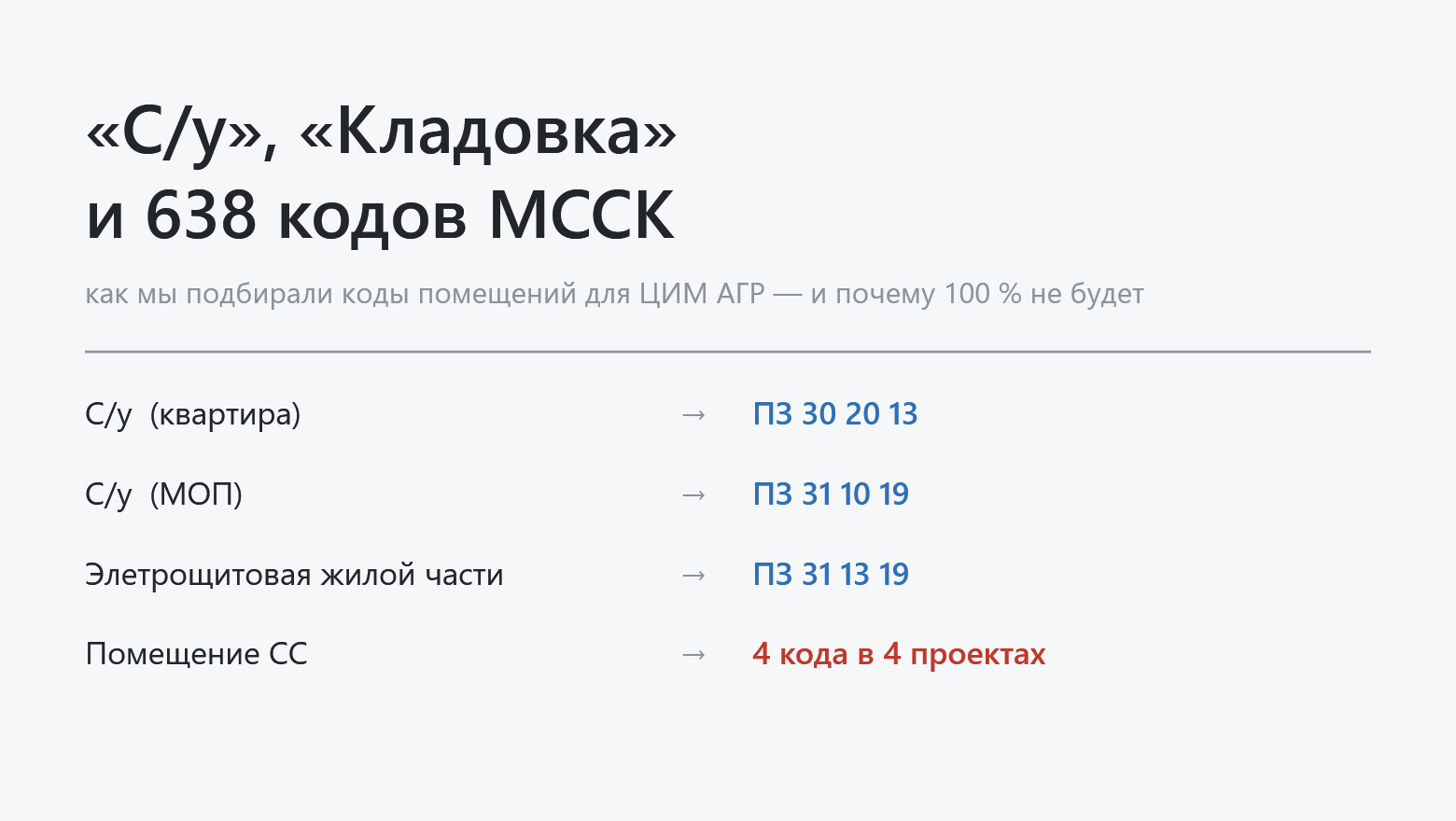
Starting in 2026, architectural and urban planning solutions in Moscow must be submitted alongside a digital information model in IFC format. This requirement necessitates the inclusion of specific properties for every room, namely the code and name according to the Moscow Construction Classifier (MSSK), specifically the 'Rooms and Zones' section.
The MSSK classifier for rooms and zones contains 638 unique codes organized into a hierarchical structure. For example, residential rooms are categorized under the code PZ 30, while auxiliary spaces fall under PZ 30 20. BIM managers often face challenges mapping internal naming conventions, such as 'bathroom' or 'storage', to these standardized classifier entries.
To address the manual labor involved in coding hundreds of rooms, developers created the IDS Core plugin. The tool utilizes the Levenshtein distance algorithm to match internal room names with the closest available codes in the official classifier. This approach helps automate the selection process when exact matches are unavailable, relying on semantic proximity.
The developers emphasize that the accuracy of the classification process depends more on human input than on the algorithm itself. Since the official classifier may lack specific terms used in architectural workshops, the system allows for selecting the most relevant existing code. This collaborative effort aims to streamline the compliance process for digital models.