

Apple decided to seriously develop a foldable iPhone around 2020 after Tim Cook observed the growing popularity of foldable devices from Huawei and Samsung in Asia. The hardware engineering team had been researching foldable concepts even before Samsung's first Galaxy Fold launch in 2019.
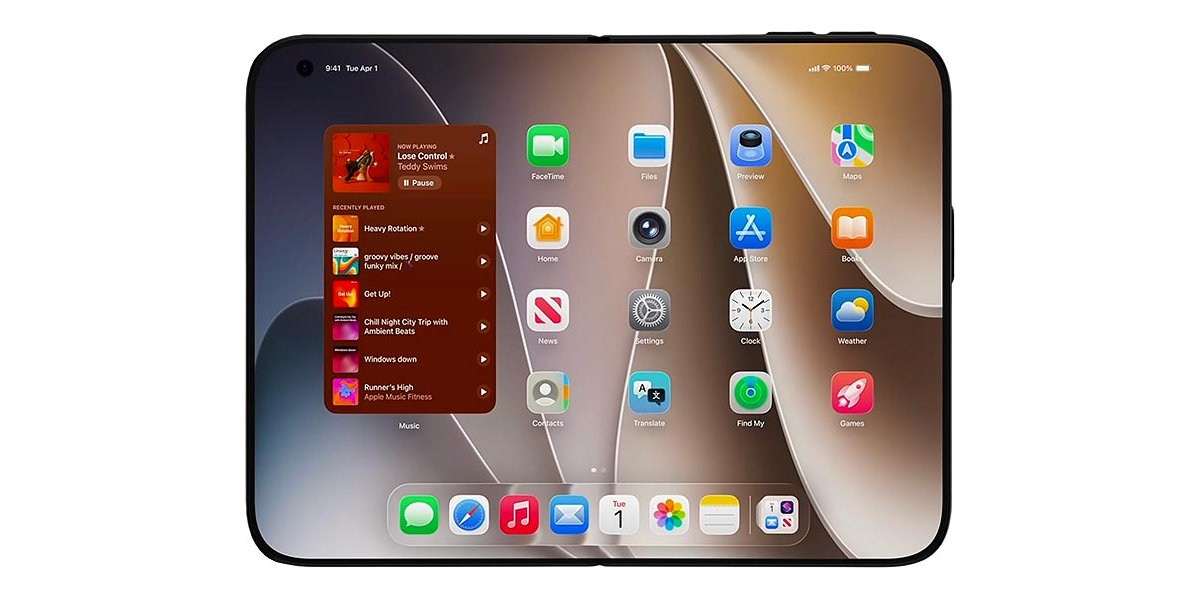
The device will feature a 'short and wide' design, finalized in 2023. It will have an internal screen of approximately 7.8 inches and a smaller 5.5-inch external screen for better portability. This design aims to provide meaningful differentiation from competitors.
Apple is addressing four key technical challenges: reducing crease visibility, improving hinge reliability, using a new flexible cover glass developed with Corning, and optimizing camera placement to maximize the display area. The device uses a titanium-aluminum alloy hinge system.
Pricing is a major hurdle due to memory shortages. While Apple initially aimed for a starting price of $1,999, recent discussions have suggested increasing it to $2,199. High-capacity storage models could potentially reach nearly $3,000.
Despite potential trade-offs in durability, camera systems, and battery life compared to the iPhone 18 Pro, Apple believes its build quality and software ecosystem will be competitive. Wall Street expects annual sales of 7 million to 10 million units.

