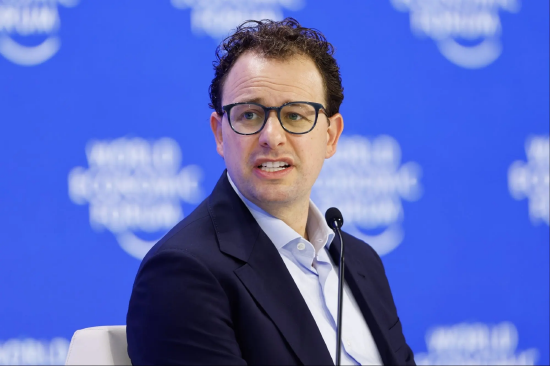
Anthropic CEO Dario Amodei recently proposed slowing down the development of advanced AI models to prioritize safety and governance. He argues that current progress, bolstered by AI-driven research, is outpacing existing security frameworks and risk control measures.
Amodei identified international competition, specifically with China, as the primary obstacle to implementing a global speed limit on AI development. He noted that if only some nations or companies decelerate, they risk losing strategic, economic, and military advantages to those who continue to accelerate.
The debate over AI safety has intensified following warnings from researchers at Anthropic and OpenAI regarding potential loss of control. Former Anthropic researcher Jacob Hilton recently resigned, citing concerns that leading AI laboratories are accepting excessive risks that could impact society.
Meanwhile, Chinese AI firms have been narrowing the performance gap with US counterparts, drawing increased attention from Silicon Valley. Reports also allege that several Chinese companies, including Alibaba, Moonshot AI, and DeepSeek, have engaged in large-scale model distillation involving tens of millions of interactions.
The issue has moved into the diplomatic sphere, with Chinese leadership advocating for a consensus-based global AI governance framework and open-source cooperation. As Anthropic and OpenAI prepare for potential public listings, the tension between rapid innovation and regulatory oversight remains a critical challenge for the industry.