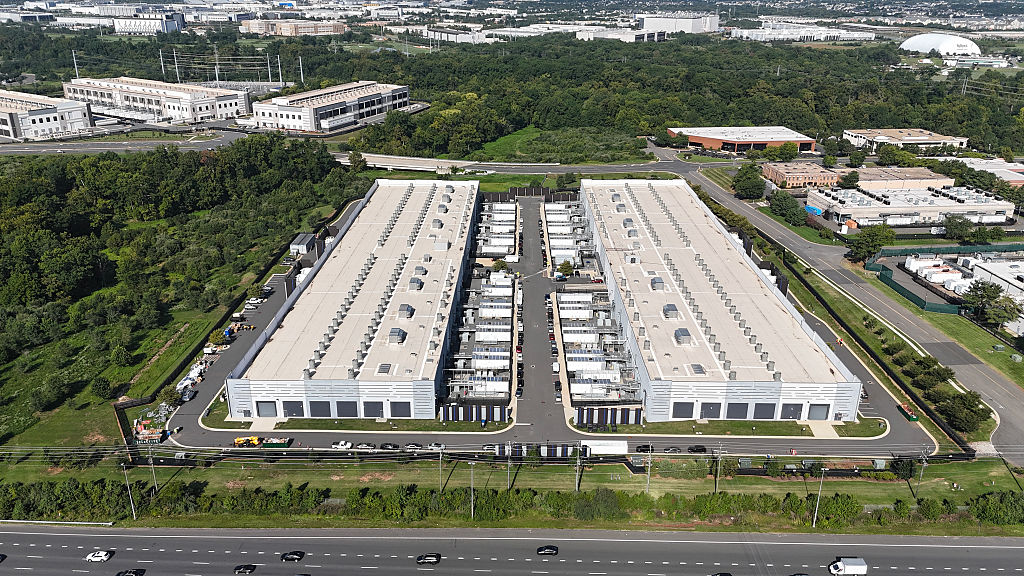
Amazon Web Services CEO Matt Garman announced a $1 billion investment plan aimed at supporting communities hosting data centers. The funds are designated for education, job training, energy affordability, and water preservation. Amazon also pledged to achieve a water-positive status by 2030, noting that 75 percent of its current projects have already reached this target.
The company stated it would stop using nondisclosure agreements for new data center projects to increase transparency. Regarding power usage, Amazon claimed that its backup generators typically operate for only 10 hours annually. However, the organization Stand.Earth challenged these claims, citing instances where facilities relied on diesel backup power for several consecutive days.
Stand.Earth criticized the investment as insufficient, noting that Amazon plans to spend $220 billion on data centers in 2026 alone. The nonprofit highlighted that the $1 billion commitment is spread over five years, which they described as a minimal effort compared to the company's overall infrastructure spending and the environmental impact of its operations.
A major point of contention is a power plant project in Pecos, Texas, which Stand.Earth identifies as a potential source of 33 million tons of air pollution annually. The facility is expected to consume energy equivalent to the needs of 1.9 million homes. Critics argue that Amazon's current commitments fail to address the pollution generated by this infrastructure.