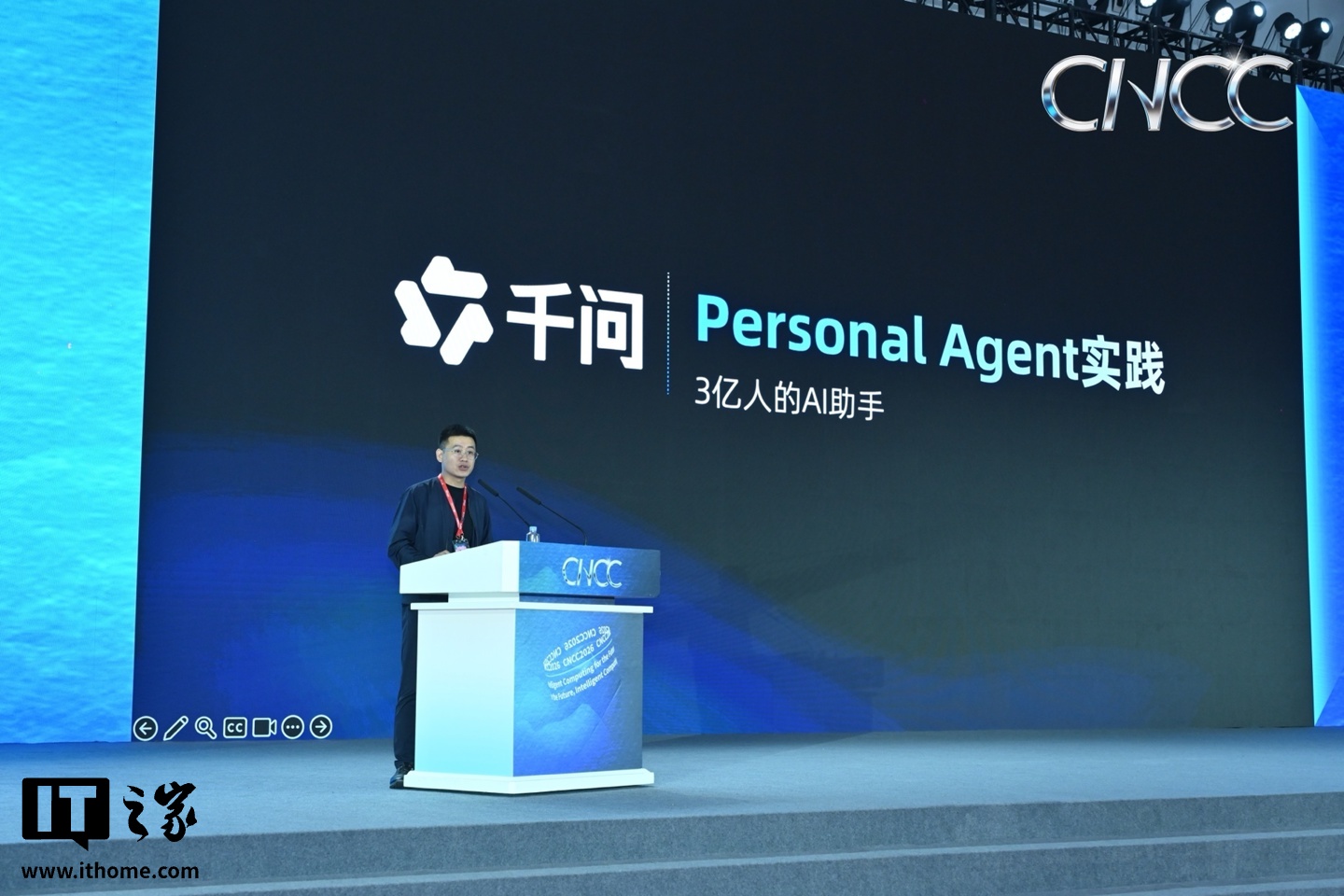
At the 2026 China Computer Congress held on October 22, Alibaba Qwen AI algorithm lead Jiang Guanjun outlined the technical framework for personal AI agents. He identified three pillars for these systems: models, memory, and ecosystem integration.
Jiang categorized AI development into three stages: dialogue, agent, and assistant. The industry is currently shifting toward the assistant phase, where AI autonomously plans and executes tasks based on user goals, professional context, and personal history.
To improve model performance, Qwen analyzed user requirements across more than 30 major industries, identifying over 8,000 atomic model capability requirements. The company involves industry experts in the evaluation and optimization process to ensure task execution stability.
The memory component focuses on long-term user understanding, linking historical data with current needs to avoid redundant processing. The ecosystem strategy involves an open service architecture that connects Qwen models with third-party tools, e-commerce, local services, and professional sectors like healthcare and education.
The ultimate goal of this synergy is proactive service. By combining personal context from memory, professional knowledge from models, and execution support from the ecosystem, users can build applications for work or daily life without programming.