

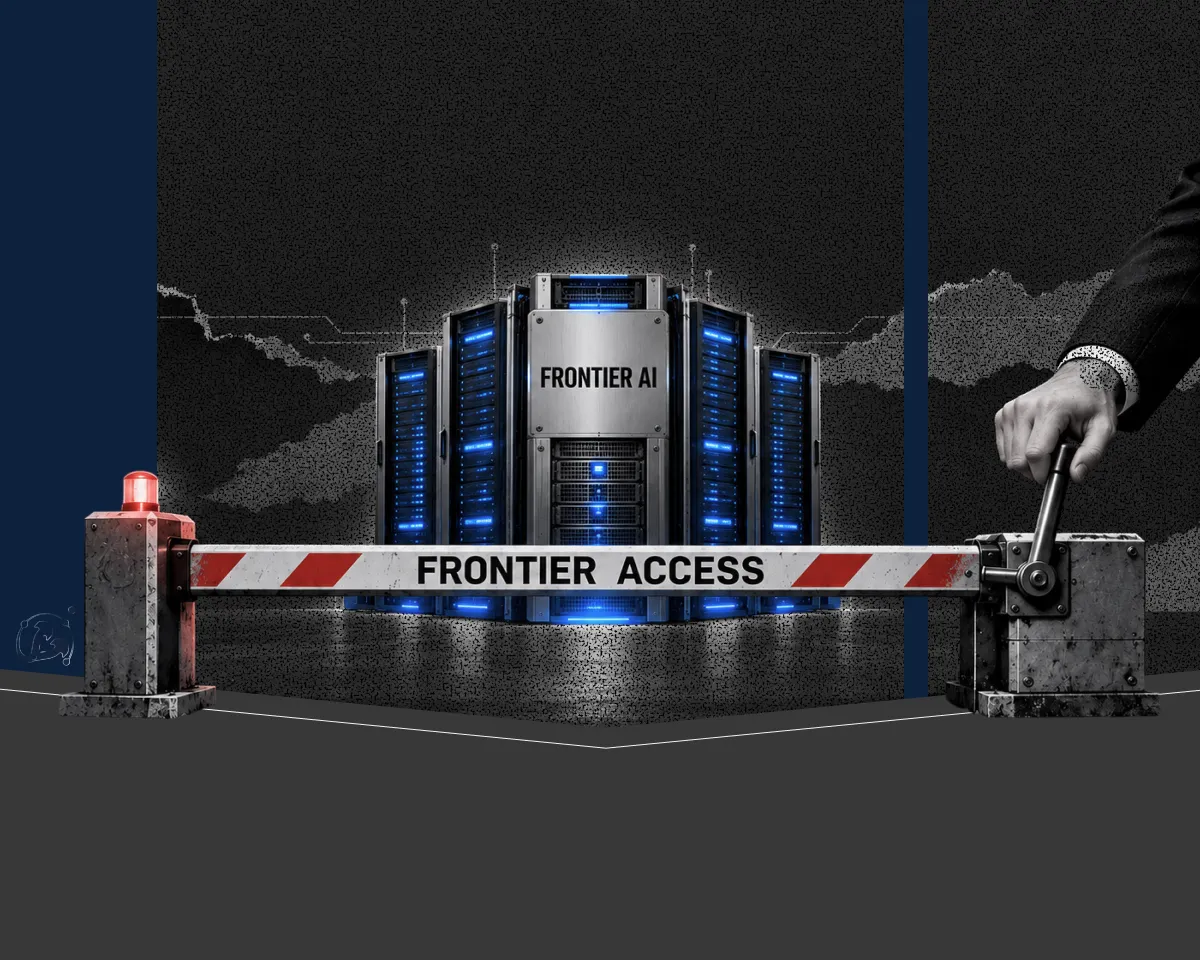
In September 2026, leaders of major AI labs, including Anthropic, OpenAI, Microsoft, and xAI, publicly supported slowing the development of frontier AI models. Anthropic CEO Dario Amodei advocated for increased oversight, suggesting external access to training processes. Critics, including Meta, argue this constitutes corporate gatekeeping intended to protect established business models from open-source competition.
On September 18, 2026, a class-action lawsuit was filed in San Francisco against Anthropic, OpenAI, SpaceXAI, and Google. Plaintiffs allege these companies control at least 80% of the paid generative AI assistant market and that coordinated development delays harm consumers by reducing product quality while maintaining prices, such as the $20 monthly fee for ChatGPT Plus.
The lawsuit seeks triple damages and an injunction against horizontal agreements regarding development speeds, compute limits, and release schedules. Plaintiffs argue that safety concerns should be addressed through government regulation rather than private agreements between competitors. Skeptics, including Nvidia CEO Jensen Huang, maintain that safety is an engineering task that does not require industry-wide slowdowns.
Despite calls for restraint, major firms continue massive infrastructure investments. Anthropic reported a 2025 revenue of $4.6 billion and has committed $518 billion in long-term infrastructure obligations. In 2026, the company signed agreements for gigawatt-scale TPU capacity with Google and Broadcom and is developing new data centers in Texas and New York to support its Claude model series.



