

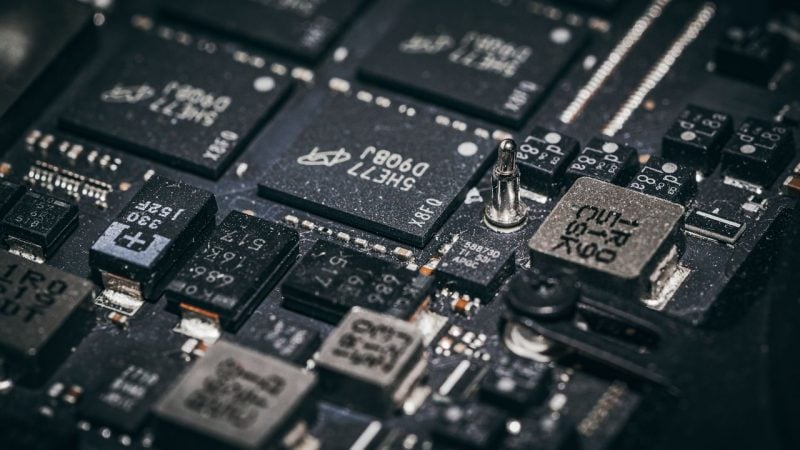
US hyperscalers, including Google, Amazon, Microsoft, and Meta, are placing massive orders for DRAM and high-bandwidth memory (HBM) for AI data centers. Some of these agreements now account for up to 40% of global DRAM output, creating a supply squeeze for other sectors.
The impact on pricing is significant: a 32GB DDR5 memory module's price rose from $94 to $282 between Q3 2025 and Q1 2026, a 122% increase. This trend has led Apple to raise product prices by nearly 20% in June 2026 and Microsoft to increase Xbox prices by at least $100.
Major producers Samsung, SK Hynix, and Micron are prioritizing high-margin AI products, such as HBM and server-grade DRAM, over conventional chips for PCs and smartphones. Analysts expect these shortages to persist at least until 2028.
The financial scale is immense, with memory sales estimated at roughly $230 billion in 2025, with forecasts suggesting they could surpass $1 trillion by 2027. In 2026 alone, hundreds of billions of dollars are being invested into AI infrastructure.
The situation has prompted discussions in Washington, including proposals to invoke the Defense Production Act to allow the federal government to prioritize certain orders to mitigate the shortage across automobiles, medical devices, and industrial equipment.