Google Releases Public Tool for Identifying AI-Generated Media
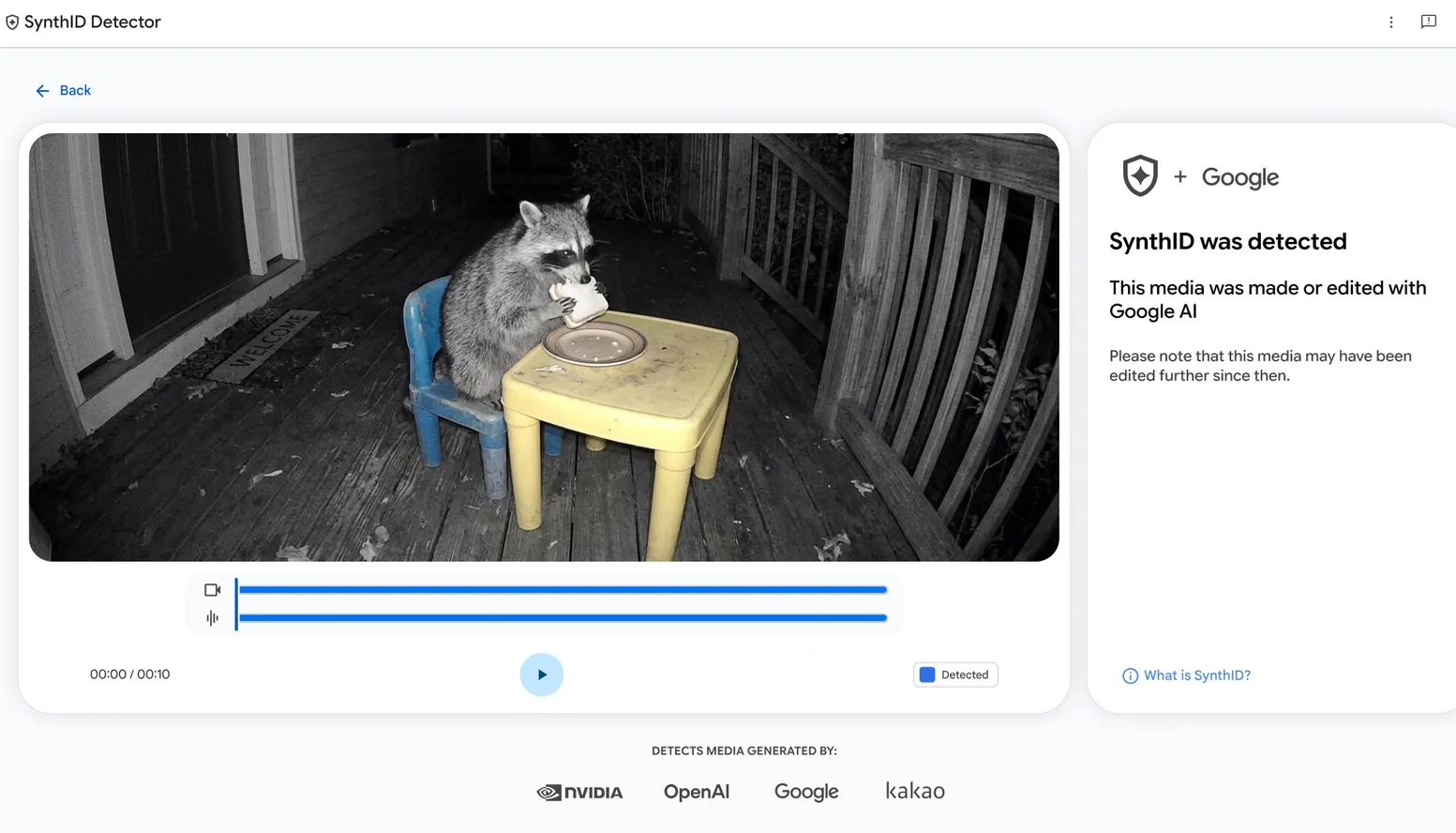
Google has released a public web-based tool, SynthID Detector, to identify AI-generated media, though it remains limited by the lack of universal watermarking standards.

Google has released a public web-based tool, SynthID Detector, to identify AI-generated media, though it remains limited by the lack of universal watermarking standards.

Google has launched a centralized website, SynthID.com, enabling users to verify if media files contain AI-generated watermarks from multiple industry partners.

OpenAI will implement its textGrain watermarking technology for ChatGPT users in the EU to comply with regional regulations, though the tool faces significant reliability challenges.

OpenAI is rolling out textGrain, a watermarking technology for ChatGPT and Codex, to comply with EU regulations while testing its reliability for identifying AI-generated content.

OpenAI is implementing invisible watermarking for ChatGPT and Codex text in the EU to comply with the region's AI Act transparency requirements.

OpenAI is launching its textGrain watermarking system for ChatGPT and Codex, starting with a regional rollout in the European Union.

OpenAI is rolling out invisible text watermarking in the EU to comply with the EU AI Act, using a statistical method called textGrain that remains experimental.

OpenAI is rolling out invisible text watermarking for ChatGPT and Codex, starting with EU users and optional API integration to meet regulatory transparency standards.

Anthropic has begun integrating Google’s SynthID-Text watermarking into all Claude models to ensure content provenance and comply with EU regulatory standards.