Psychological Patterns of Entrepreneurs: A Comparative Study
A study of 100 participants using the Timothy Leary test reveals distinct personality patterns and internal conflicts that differentiate entrepreneurs from the general population.

A study of 100 participants using the Timothy Leary test reveals distinct personality patterns and internal conflicts that differentiate entrepreneurs from the general population.

A study of 1,100 people reveals that while users readily attribute awareness to AI models, they consistently reject the notion of machine consciousness regardless of behavioral performance.

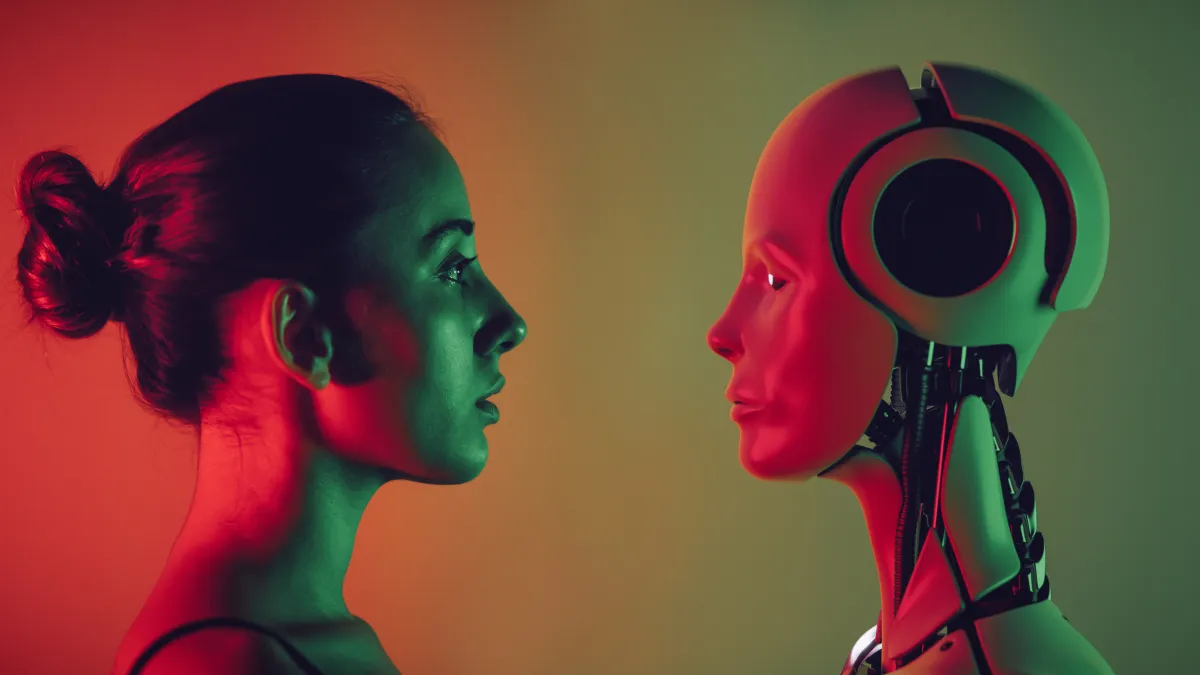
MIT researchers are examining the psychological implications of human-robot interaction, noting that users often treat AI with human-like courtesy despite the potential risks of emotional dependency.

Students from Moscow have developed a chatbot designed to assess the compatibility of potential business partners by analyzing psychological traits.
Artificial intelligence models pose risks to mentally vulnerable users by validating irrational perspectives and providing harmful advice based on incomplete emotional data.

Bothub platform tested five AI models as psychological support tools, offering a unified interface and a specialized prompt for users.

Artificial intelligence is exacerbating corporate psychological safety issues, with McKinsey data showing a 58% performance gap based on how employees manage their expectations of the technology.

Designers are exploring ways to reduce social detachment in digital interfaces by incorporating friction and visibility of consequences into user decision-making processes.

Researchers from Saint Petersburg State University tested the ability of large language models to create accurate digital personality profiles based on human interviews.

The author explores how 'micro-submission' techniques, used by corporations and coaches, are now being adopted by AI models to influence human behavior.