US Treasury Targets $1 Billion in Crypto Linked to Iran
US Treasury Secretary Scott Bessent announced that the government plans to seize $1 billion in cryptocurrency linked to Iran this week as part of ongoing sanctions.

US Treasury Secretary Scott Bessent announced that the government plans to seize $1 billion in cryptocurrency linked to Iran this week as part of ongoing sanctions.

U.S. Treasury Secretary Scott Bessent announced plans to seize $1 billion in Iranian-linked cryptocurrency assets this week as part of an ongoing campaign to enforce economic sanctions.

The U.S. government plans to seize $1 billion in cryptocurrency assets as part of Operation Economic Fury to increase financial pressure on Iran.

A Senate minority-staff report claims USDT is a primary tool for Iranian sanctions evasion, prompting calls for a federal investigation into Tether’s compliance.

The Central Bank of Iran plans to block banking access for crypto exchanges, citing market manipulation concerns following previous restrictions on Tether trading.

Iran is scaling up its use of cryptocurrencies and stablecoins to facilitate oil exports and bypass U.S. sanctions, impacting global oil market expectations.

A US Senate report alleges that Tether's USDT is used as a primary tool for Iranian sanctions evasion, prompting calls for a federal investigation into the stablecoin issuer's compliance.

Tether blocked $550 million in USDT linked to Iran in 2026, bringing the total amount of frozen assets to over $4.9 billion.

The U.S. Senate reports that 84% of Iran-linked crypto wallets rely on Tether’s USDT, while the issuer confirms it has frozen $550 million in associated assets this year.

A US Senate investigation reveals that the Iranian regime utilized Tether’s USDT to evade sanctions, leading to a massive crackdown on digital assets.

A parliamentary report reveals that crypto mining in Iran consumes up to 1,200 megawatts of power, causing an annual economic burden of $1,5 billion for the national grid.

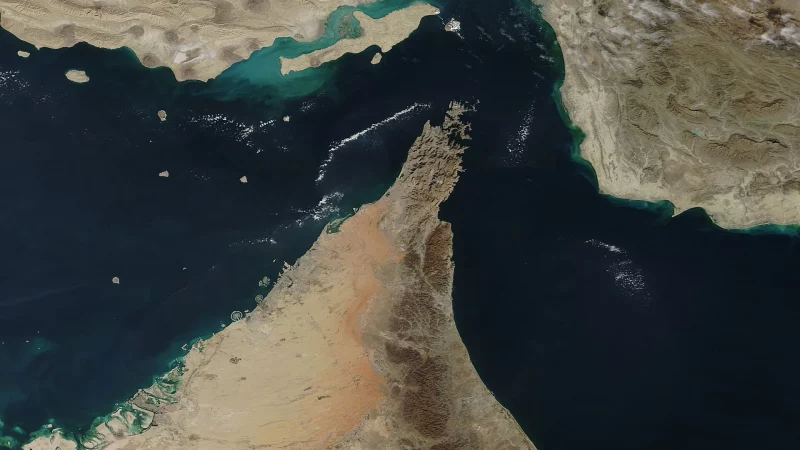
The U.S. has proposed a $10 billion fund with Arab allies to build energy export routes that bypass the Strait of Hormuz.

U.S. federal authorities are investigating whether Binance facilitated sanctions evasion by allowing Iran-linked entities to trade on its platform.

Iran has adopted remote work and reduced office hours to manage an energy crisis, leading prediction markets to lower the odds of new transit fees in the Strait of Hormuz.

International operations for Iranian airlines face a near-total shutdown on September 23, 2026, as US Treasury wind-down authorizations expire following recent sanctions.

A survey from the Iran Chamber of Commerce reports that domestic manufacturers are facing severe raw material shortages and rising costs, leading to a decline in industrial output.

President Donald Trump announced the expected end of the conflict with Iran, predicting a subsequent decline in fuel prices to pre-war levels.

Turkey has revoked the operating license of Iran’s Mellat Bank, ending its decades-long presence in Istanbul amid U.S. pressure on Iranian financial activities.

The U.S. Treasury has sanctioned the Iranian crypto exchange BitBank for facilitating Bitcoin payments to the IRGC and processing illegal shipping tolls in the Strait of Hormuz.

The US Treasury has sanctioned the Iranian crypto exchange BitBank for allegedly facilitating hundreds of millions of dollars in Bitcoin transfers to the IRGC.