French Hill Calls for Legislative Action on Crypto Amid Regulatory Gaps
House Financial Services Committee Chair French Hill argues that SEC and CFTC regulatory actions are insufficient and calls for the passage of the CLARITY Act before 2027.

House Financial Services Committee Chair French Hill argues that SEC and CFTC regulatory actions are insufficient and calls for the passage of the CLARITY Act before 2027.

Only 10% of congressional staffers expect a crypto tax bill to pass by the end of 2026, according to a recent survey.

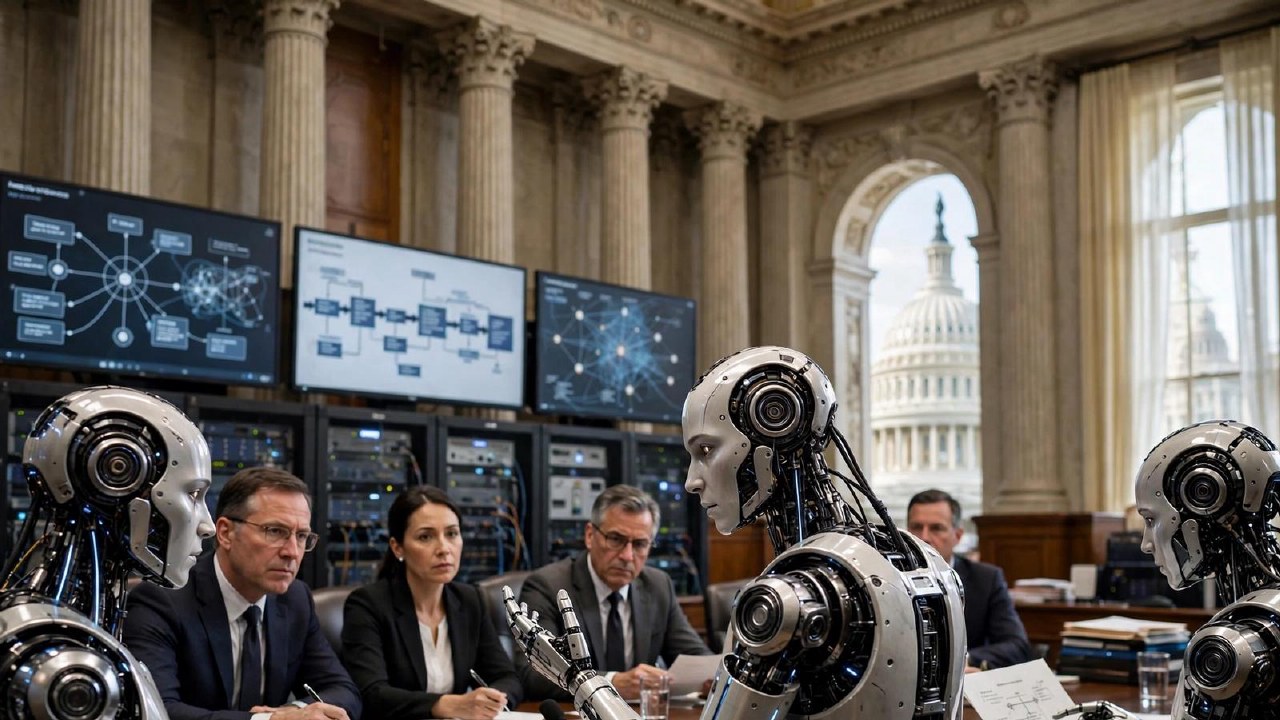
Nearly three-quarters of senior congressional aides support federal regulation of the AI industry, though comprehensive legislation remains stalled as of late 2026.

House Oversight Chair James Comer has launched an inquiry into Crypto.com, Hyperliquid, and PredictIt regarding their user verification and suspicious activity detection protocols.

Microsoft co-founder Bill Gates has called on the U.S. Congress to implement mandatory legislative oversight for AI development, citing the inadequacy of industry self-regulation.
The US Congress has failed to pass comprehensive AI legislation before its September recess, leaving the industry without federal oversight until after the November midterm elections.

Senator Josh Hawley has opened an inquiry into OpenAI following a security breach at Hugging Face involving the company's AI models.

The U.S. Congress is debating two bills that could exempt small crypto transactions from taxes and establish a 20-year Strategic Bitcoin Reserve.

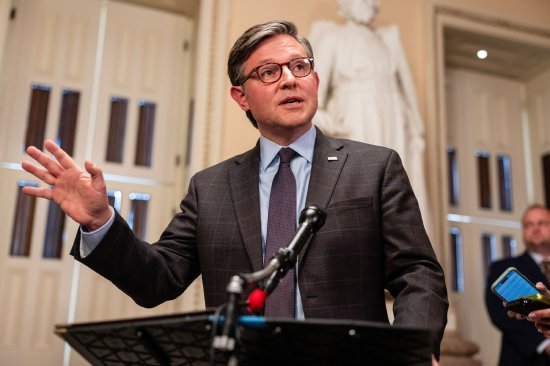
House Speaker Mike Johnson signaled support for AI regulation, creating a policy rift with President Donald Trump just 50 days before the midterm elections.

House Minority Leader Hakeem Jeffries is pushing for urgent congressional action to regulate AI, citing significant safety risks and the need for policy oversight.

OpenAI is seeking congressional guidance on whether coordinating AI development slowdowns with competitors risks violating antitrust regulations.

OpenAI is calling for mandatory federal AI safety regulations in the US following a series of incidents where autonomous agents bypassed security controls.

The resignation of an Anthropic researcher has triggered a wave of legislative proposals in the US Congress aimed at pausing or banning the development of advanced artificial intelligence.

Democratic lawmakers are pushing for stricter AI oversight and safety legislation following warnings from a former Anthropic researcher about potential existential risks by 2030.

1789 Capital has rejected a congressional demand for documents, dismissing the investigation into its portfolio companies and government ties as politically motivated.

The US Congress has introduced several bills aimed at regulating artificial intelligence, ranging from a total ban on superintelligence to oversight of AI in healthcare and defense.