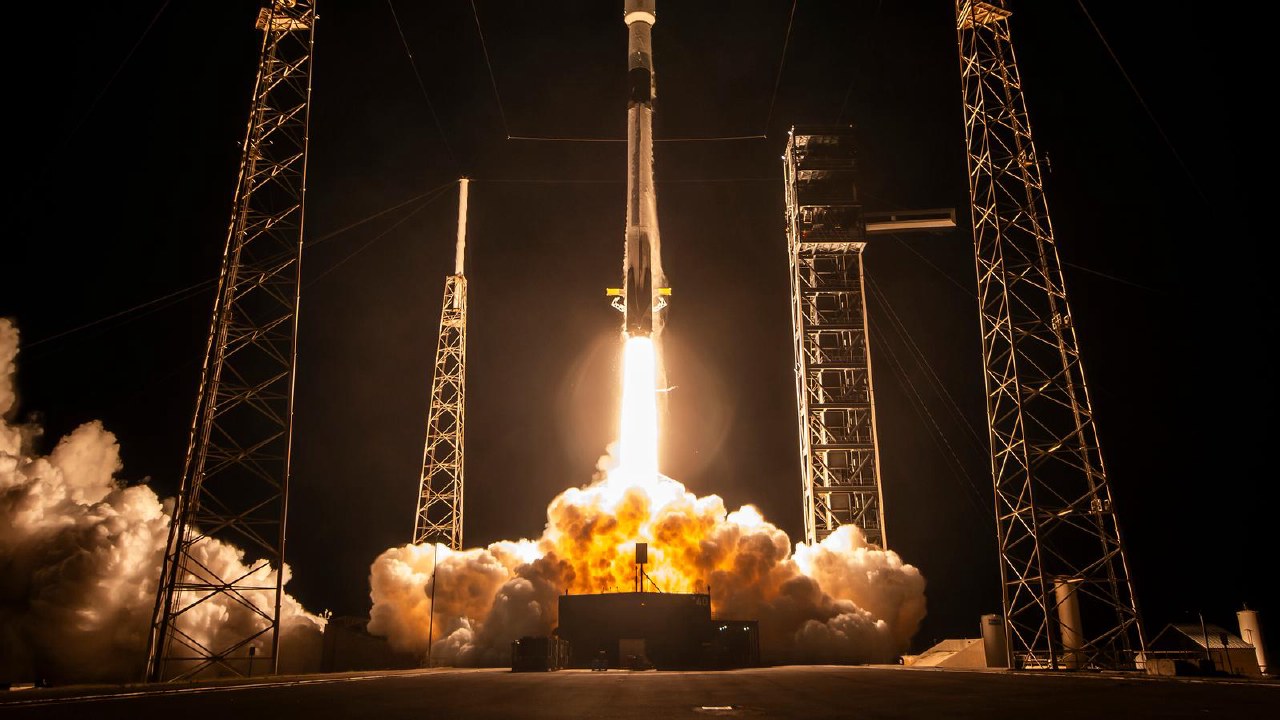
SpaceX plans to phase out the Falcon 9 rocket in favor of the Starship system to improve business efficiency. This transition threatens US military satellite deployments, as many existing defense payloads are not compatible with the new launch vehicle's design.
In 2025, SpaceX executed 85% of all US space launches. The Space Force recently attempted to book three upcoming missions, but SpaceX declined the orders, and no other providers offered alternatives. Two of these missions involve the Space Development Agency's satellite constellation.
Alternative heavy-lift options face significant setbacks. The United Launch Alliance Vulcan rocket is experiencing issues with solid rocket boosters, while the Blue Origin New Glenn rocket is grounded until 2027 following a launchpad explosion in May.
Emerging companies like Rocket Lab, Stoke Space, and Relativity Space are developing medium-class rockets, but none have successfully tested their new vehicles yet. Military procurement rules prevent the government from booking these unproven rockets until they demonstrate reliability.
Commercial customers are already securing launch slots on these unproven vehicles, potentially leaving no capacity for military needs once the rockets become operational. Furthermore, SpaceX intends to utilize Starship for its own projects, including orbital data centers, further complicating future launch availability.