SpaceX has implemented speed restrictions on Starlink terminals in Ukraine for devices moving faster than 160 kilometers per hour. These limitations, which began on October 13, 2026, have caused service instability at speeds as low as 130 kilometers per hour, impacting reconnaissance, supply, and strike drone missions.
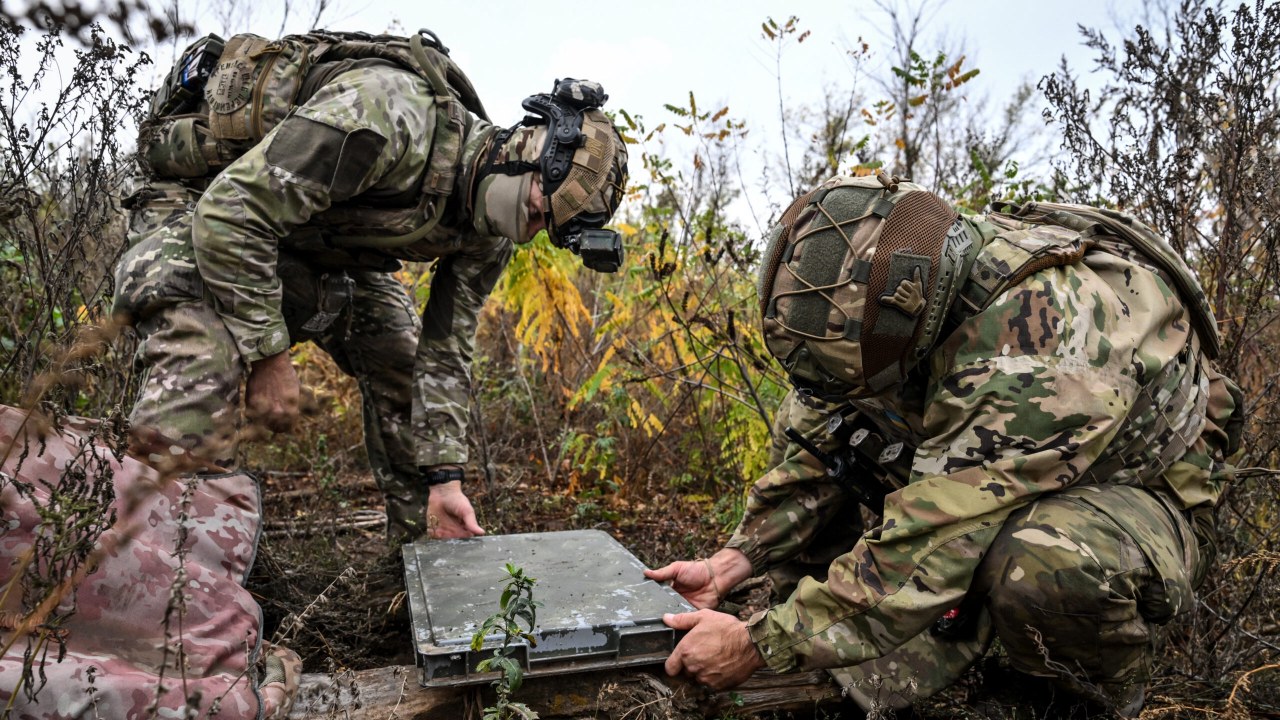
Ukrainian defense companies like BlueBird Tech and Buntar Aerospace are reducing reliance on Starlink by integrating alternative technologies. These include fiber-optic cables for FPV drones, radio-based mesh networks, and AI-driven software that adapts flight plans to signal interference. Some systems, such as the SPYS interceptor, operate without Starlink entirely.
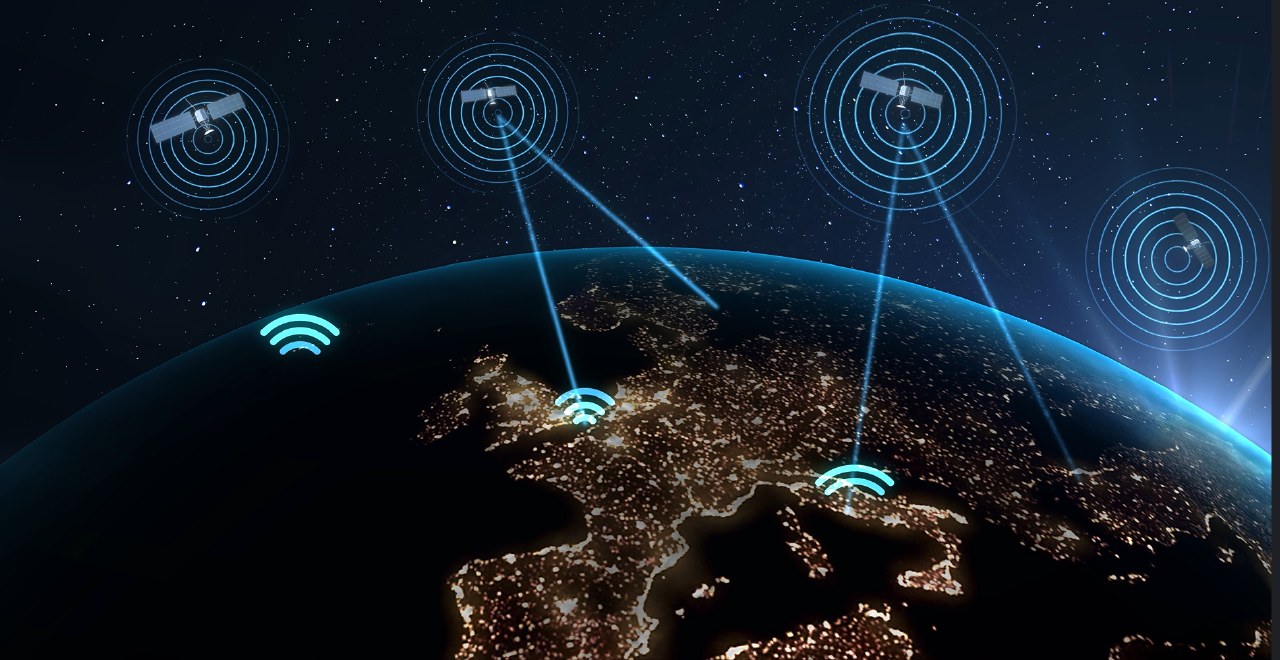
The US, Germany, and Poland have funded tens of thousands of Starlink terminals for Ukraine. Despite this, European nations are accelerating the development of sovereign satellite alternatives, including the IRIS-2 constellation, SATCOMBw 4, and a joint project by ICEYE and Nokia, though these currently lack the scale of SpaceX's network.
OneWeb serves as an existing alternative for Ukraine, though its terminals are significantly larger and approximately 45 times more expensive than Starlink units. With Starlink operating over 10,000 satellites compared to OneWeb's roughly 600, officials emphasize that building resilient, decentralized communication systems remains critical for military autonomy.