

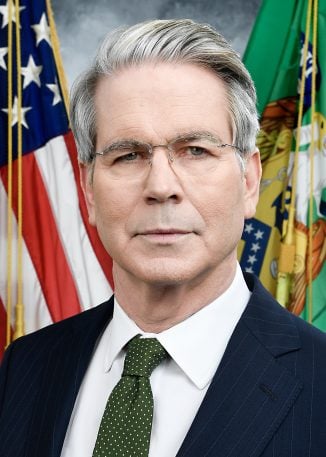
Treasury Secretary Scott Bessent testified before the House Financial Services Committee on September 15, 2026. He highlighted a 27% rise in the S&P 500 since President Trump’s inauguration and an unemployment rate of 4.1%. Additionally, he noted that over 64 million tax returns have benefited from recent tax cuts.
Lawmakers questioned the administration regarding rising inflation and energy costs, specifically citing gasoline prices at $4.32 per gallon. Oil prices have exceeded $100 per barrel, which Bessent attributed to the economic isolation campaign against Iran.
The national debt has surpassed $40 trillion, up from approximately $36 trillion in January 2025. The 10-year Treasury yield briefly reached 5%, increasing borrowing costs for mortgages, car loans, and corporate debt.
For the crypto sector, rising debt and Treasury yields support the narrative of Bitcoin as a hedge against fiscal policy. Furthermore, sanctions against Iran may increase demand for stablecoins and peer-to-peer transactions as alternatives to traditional banking.
Rising energy prices present risks for Bitcoin miners. Those without long-term power purchase agreements face margin compression due to higher electricity costs if oil prices remain above $100 per barrel.



