

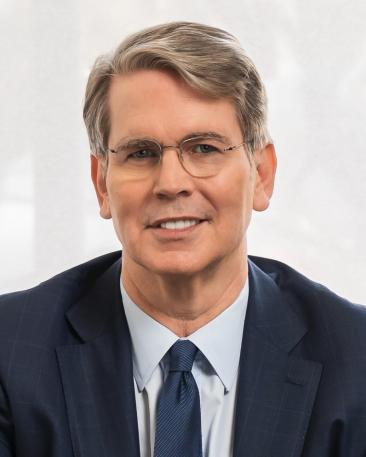
On September 14, 2026, the 10-year Treasury yield surpassed 5% for the first time since 2023. This development coincides with Treasury Secretary Scott Bessent's upcoming testimony before the House Financial Services Committee, scheduled for September 15.
To manage market pressure, the Treasury has doubled its bond buyback operations. The scale of these interventions increased from $2 billion to at least $4 billion per operation, with some acceptance limits reaching between $5.2 billion and $6 billion.
Despite these efforts, yields have consistently rebounded after each intervention. Investor Stanley Druckenmiller has publicly criticized the expansion of buyback operations, describing the strategy as a mistake that negatively impacts market fundamentals.
The broader economic environment is characterized by annual deficits nearing $2 trillion and a total national debt of $40 trillion. Consequently, the 30-year Treasury yield has frequently tested or exceeded the 5% threshold in recent weeks.
Rising yields influence mortgage rates, corporate borrowing costs, and auto loans, increasing the cost of capital across the economy. Secretary Bessent is expected to address these issues alongside inflation, energy prices, and Federal Reserve policy during his hearing.
Ahead of his testimony, Bessent noted that the current unemployment rate stands at 4.1%. He also highlighted that wage growth for lower-income earners is currently outpacing the growth observed among higher earners.



