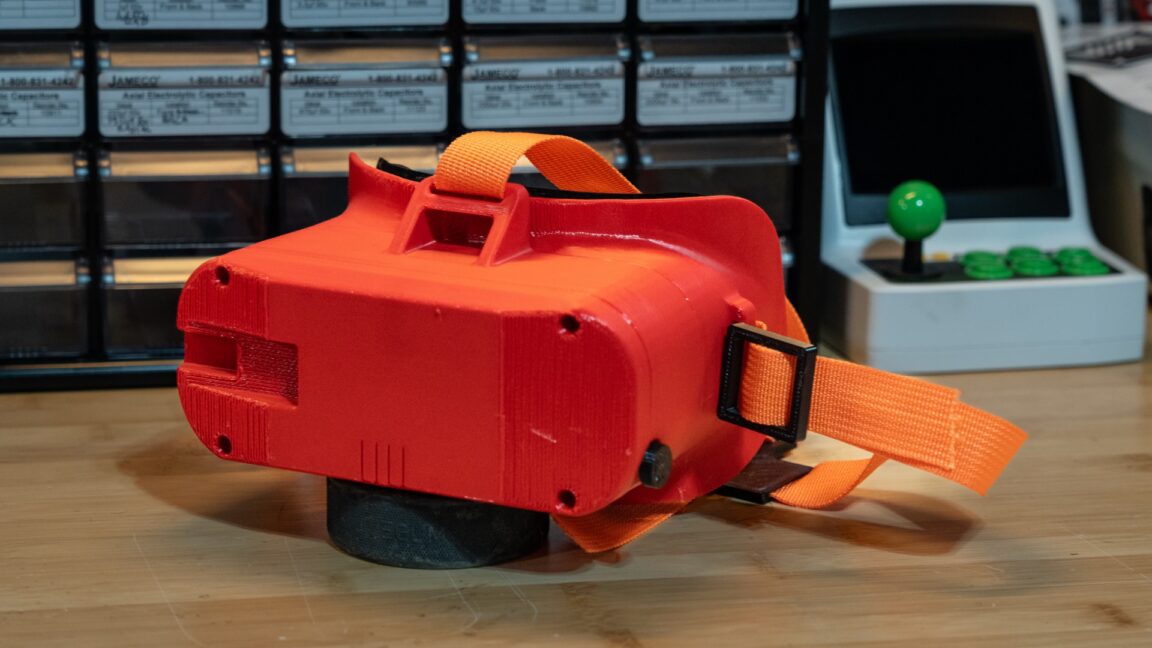
Building a DIY virtual reality headset requires approximately $180 in components, excluding potential replacement costs for fragile parts. Key hardware includes a pair of 2.9-inch LCD panels with 1440x1440 resolution, an inertial measurement unit (IMU) sensor, and an Arduino Pro Micro controller.
The Relativty VR project provides the primary software framework, configuration files, and assembly guidance for enthusiasts. Users must also source or 3D-print a housing, lenses, and a head strap. The assembly process involves soldering, firmware flashing, and precise mechanical integration.
Common technical challenges include sensor drift, tracking inaccuracies, and component quality issues, such as receiving cheaper IMU modules than advertised. These factors often result in lower performance compared to mass-market devices like the Meta Quest 3S.
While DIY headsets offer a significant cost reduction compared to commercial alternatives, they often suffer from poor ergonomics and calibration difficulties. Upgrading components to improve quality, such as using more accurate sensors or OLED panels, quickly narrows the price gap with off-the-shelf products.