

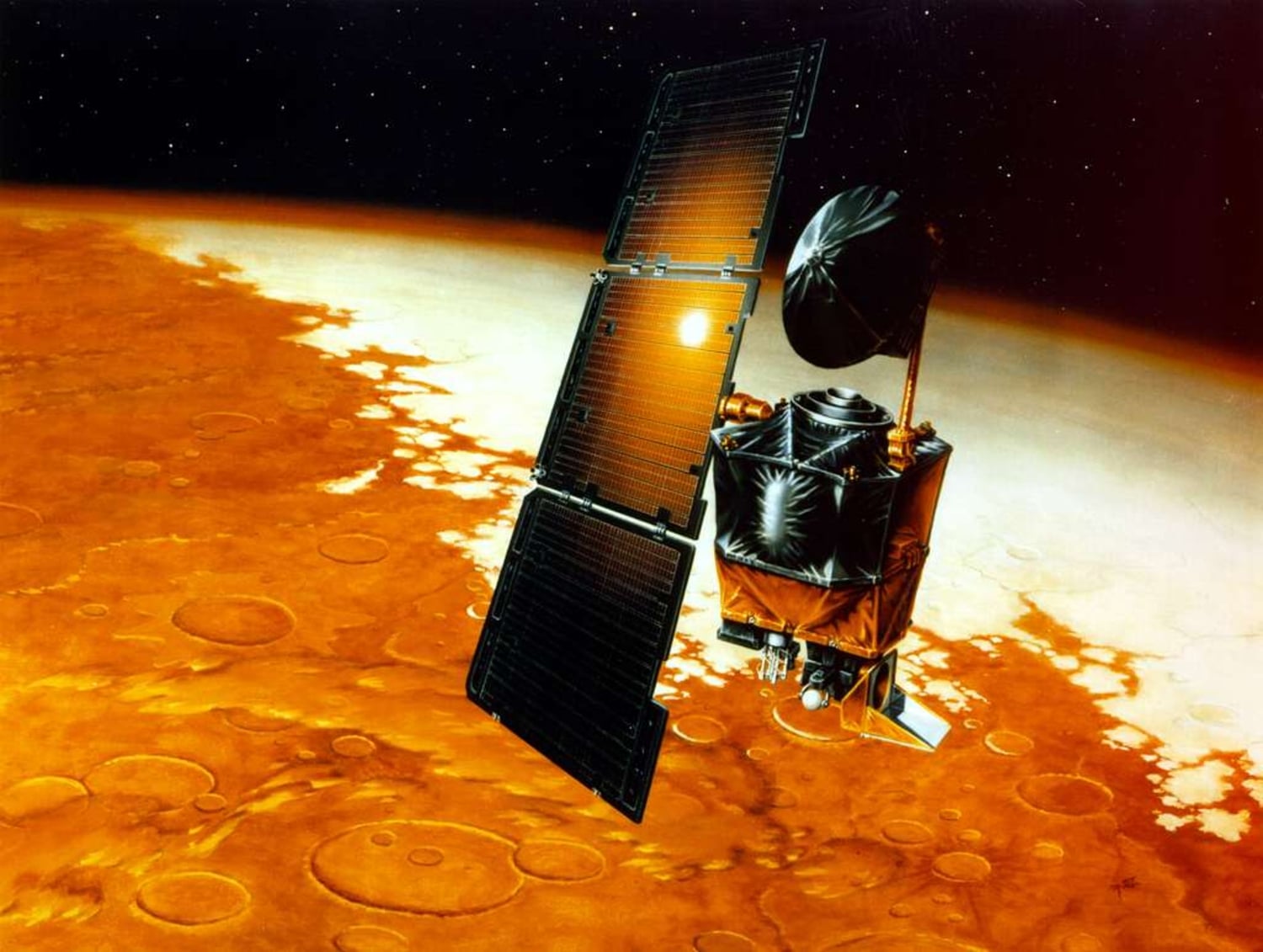
On September 23, 1999, the NASA Mars Climate Orbiter mission ended in failure after a nine-month flight. Upon reaching Mars, the spacecraft entered the atmosphere at an incorrect altitude and disintegrated, resulting in a loss of several hundred million dollars.
The investigation revealed that the failure stemmed from a discrepancy in measurement units used by different teams. One software component calculated engine impulse in pound-seconds, while the navigation system expected input in newton-seconds.
This mismatch created a 4.45-fold difference in data interpretation. Although both teams performed their individual calculations correctly, the lack of standardization led to a fatal error in the spacecraft's trajectory.



