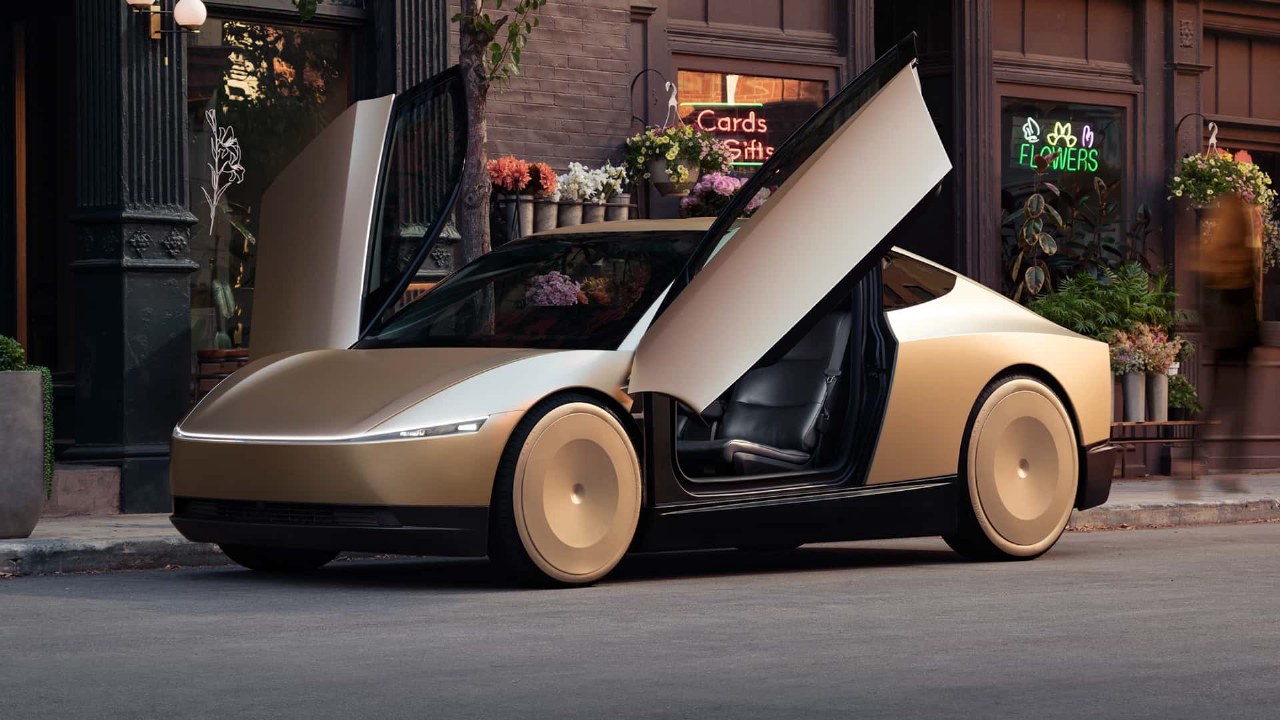
Tesla plans to begin limited customer deliveries of the Cybercab by the end of 2026. Lars Moravy, the company's vice president of engineering, confirmed this timeline during the third-quarter earnings call. These initial deliveries are intended as a pilot program to analyze ownership and fleet management outside of Tesla's direct control.
Currently, all produced Cybercabs are allocated to Tesla's internal robotaxi fleet. The vehicle is designed as a two-seat autonomous unit without a steering wheel or pedals. While Tesla aims to sell some units to private owners, the company emphasizes that the primary business model remains transport-as-a-service, with private sales representing a minority allocation.
The rollout of full autonomy depends on software that has not yet been released. Ashok Elluswamy, Tesla's AI chief, has set an internal target for an unsupervised version of the software for the second quarter of 2027. Currently, users can only access Full Self-Driving (Supervised), which requires human intervention.
The National Highway Traffic Safety Administration is investigating whether the Cybercab complies with federal safety standards, given its lack of manual controls like brake pedals and mirrors. Tesla is required to respond to this audit query by October 30, 2026. While the agency has proposed updated rules for vehicles without human controls, they have not yet taken effect.