

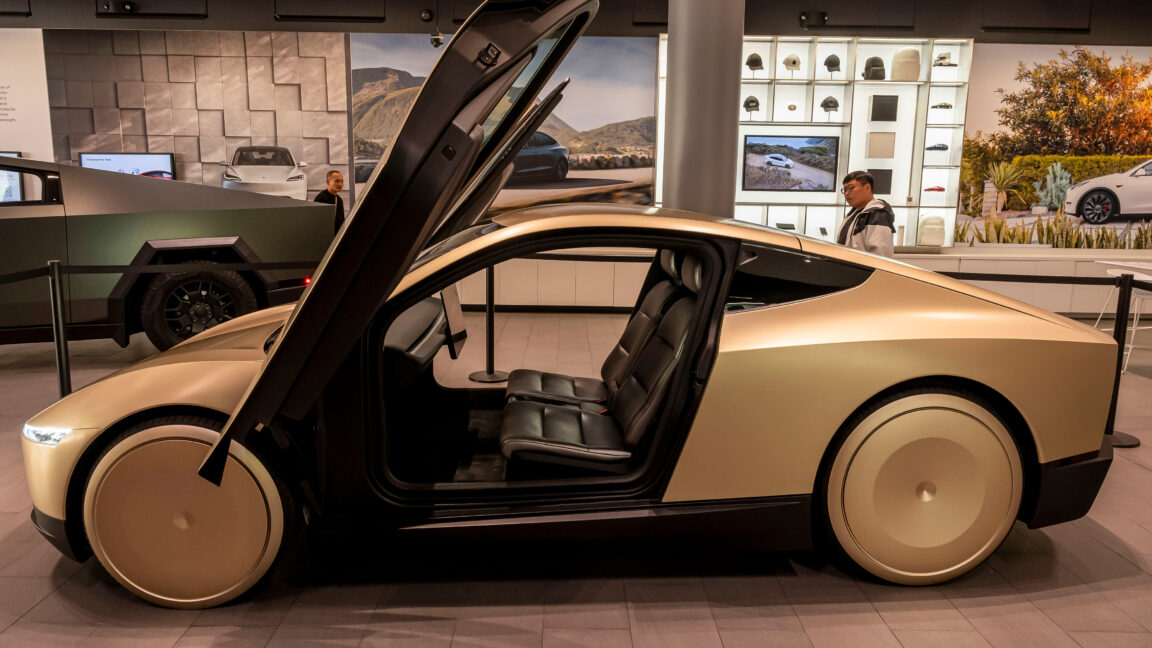
Tesla has launched its driverless Cybercab service in downtown Austin, offering rides to hundreds of participants. The company aims to integrate these vehicles into its Robotaxi ride-hail network, which currently operates in select cities across Texas and Florida. While Tesla maintains a fleet of 45 Cybercabs in Texas, the company has announced plans to scale production to millions of units annually.
The National Highway Traffic Safety Administration has launched an Audit Query to investigate Tesla's compliance with federal safety standards. The regulator is examining the data and decision-making processes Tesla used to determine that its vehicles do not require a federal exemption. This follows the agency's recent precedent with Amazon subsidiary Zoox, which received an exemption for its steering-wheel-free vehicles.
NHTSA is currently reviewing eight vehicle standards, including requirements for brake pedals and rearview mirrors, to facilitate the deployment of autonomous cars. However, existing regulations remain in effect. The agency has the authority to mandate process changes, impose civil penalties, or enforce third-party oversight, as seen in the 2023 case where Volvo paid $130 million in penalties.
Tesla CEO Elon Musk has stated that the company is transitioning from a traditional automaker to a robotics and autonomous vehicle firm. Despite this strategic shift, regulators have expressed concerns regarding Tesla's refusal to seek exemptions. Former NHTSA acting administrator Ann Carlson noted that the investigation reflects significant regulatory frustration regarding the company's approach to compliance.