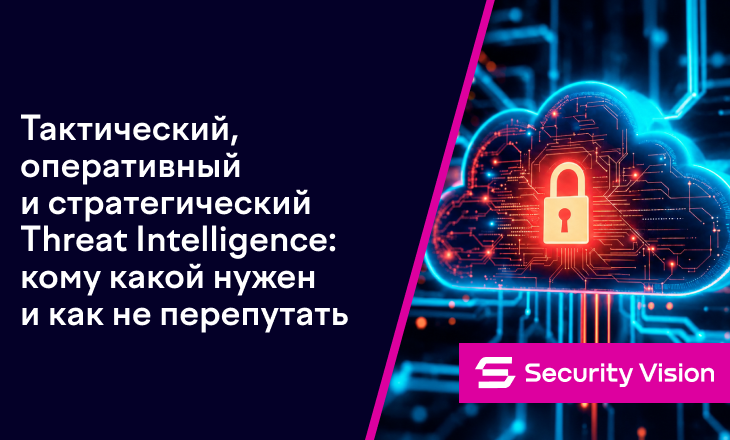
Threat Intelligence (TI) is categorized into three distinct levels: tactical, operational, and strategic. Each level serves specific stakeholders and requires different time horizons for decision-making. Tactical data is utilized by Security Operations Centers (SOC) on an hourly basis, while Incident Response (IR) and threat hunting teams operate on a weekly cycle. Strategic insights are intended for CISO-level planning, typically spanning quarterly periods.
The primary challenge in implementing TI lies in the misuse of data streams. Organizations often attempt to apply a single set of indicators across all operational layers, which leads to excessive noise for SOC teams and irrelevant metrics for management. Effective TI integration requires tailoring information outputs to the specific needs of each department rather than treating it as a universal security solution.
Professional methodologies emphasize that TI is not a standalone tool but a decision-support mechanism. It encompasses indicators of compromise, adversary tactics, techniques, and procedures (TTPs), as well as investigative findings. By processing raw data into specialized products, organizations can improve their detection, containment, and prevention capabilities without overwhelming their internal processes.