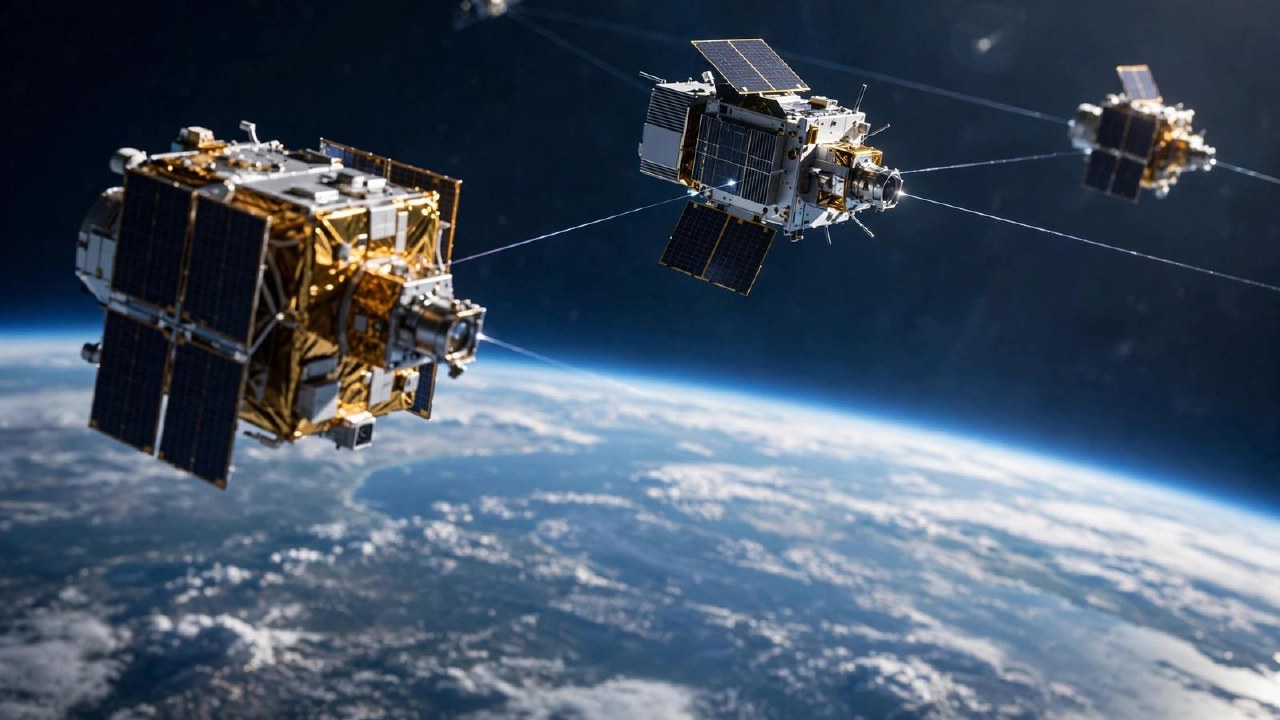
Starlink has increased its performance metrics in the United States throughout 2026, despite a growing subscriber base. Median upload speeds rose by 42% to 20.73 Mbps, with improvements observed across all states and Washington D.C. This growth is attributed to the deployment of V2 Mini satellites, which now account for approximately two-thirds of the active constellation.
Download speeds saw a more modest 12% increase, reaching 119.71 Mbps. While the median speed improved, 16 states and Washington D.C. experienced a decline, likely due to the popularity of budget plans capped at 100 Mbps. The proportion of users meeting the FCC broadband benchmark of 100 Mbps download and 20 Mbps upload grew from 18.9% to 40%.
Network latency improved in 49 states and Washington D.C., with the number of regions showing a median ping below 40 ms increasing from 11 to 25. These gains resulted from the installation of new ground gateways and the lowering of satellite orbits. Total speed tests conducted in the U.S. surged by 41.8%, with urban usage growing significantly faster than rural activity.
As of the third quarter of 2026, SpaceX reported 13.6 million global subscribers, an increase of 1.6 million over the previous quarter, with about 20% of users located in the U.S. Despite these gains, Starlink remains slower than major fixed-line and fiber providers, with T-Mobile offering nearly double the median speed. Future performance depends on the deployment of V3 satellites, expected to offer ten times the capacity of V2 Mini units.