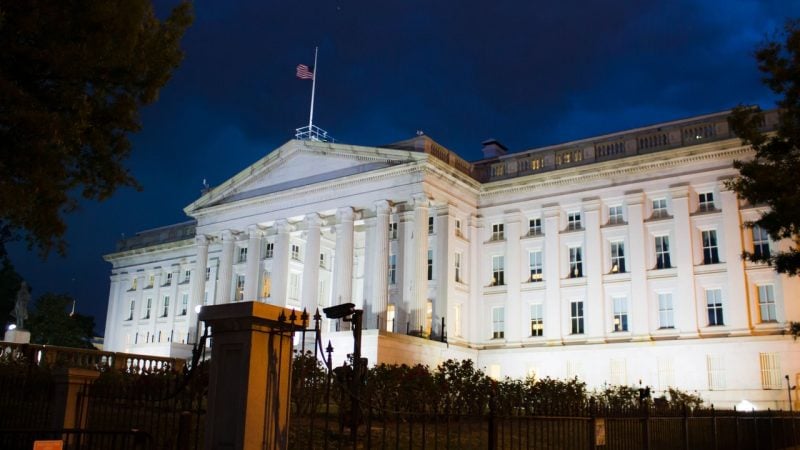
Comprehensive crypto market-structure legislation in Washington stalled on September 15, 2026, following the Senate's failure to advance the Digital Asset Market Clarity Act. Despite the lack of a unified rulebook, the industry is moving toward institutionalization through fragmented regulatory and corporate actions.
The SEC has granted a temporary Innovation Exemption for trading tokenized National Market System stocks on specific on-chain venues. Additionally, the House Ways and Means Committee has advanced legislation addressing tax questions related to digital assets, signaling a shift toward solving infrastructure challenges piece by piece.
Major players are integrating stablecoins into existing financial systems rather than replacing them. Ripple is targeting corporate treasury departments via its Ripple Treasury platform, while Mastercard is embedding stablecoin capabilities into its bank and merchant infrastructure.
Circle has launched Arc, a blockchain platform designed for programmable money and agentic economic activity. Data indicates that while autonomous agents represent a small fraction of x402 activity, USDC accounts for 99.6% of the settlement value within that segment.
Market adoption remains in early stages, with PYMNTS Intelligence data from March 2026 showing that only 13% of middle-market companies use stablecoins. Despite this, demand for faster cross-border liquidity and programmable settlement assets continues to drive development in the sector.