SpaceX reported third-quarter revenue of $14.6 billion, marking a 161% year-over-year increase and surpassing analyst expectations. The company achieved a net income of $4.4 billion, a significant turnaround from the $1.1 billion loss recorded in the same period last year. Adjusted EBITDA reached $8.81 billion, reflecting a 306% growth compared to the previous year.
The Super Intelligence division emerged as a primary growth driver, with revenue surging 830% to $7.56 billion. Connectivity services, primarily Starlink, saw a 69% increase, reaching 13.6 million subscribers. Meanwhile, capital expenditures rose to $19.59 billion, representing a 185% increase year-over-year as the company scales its infrastructure.
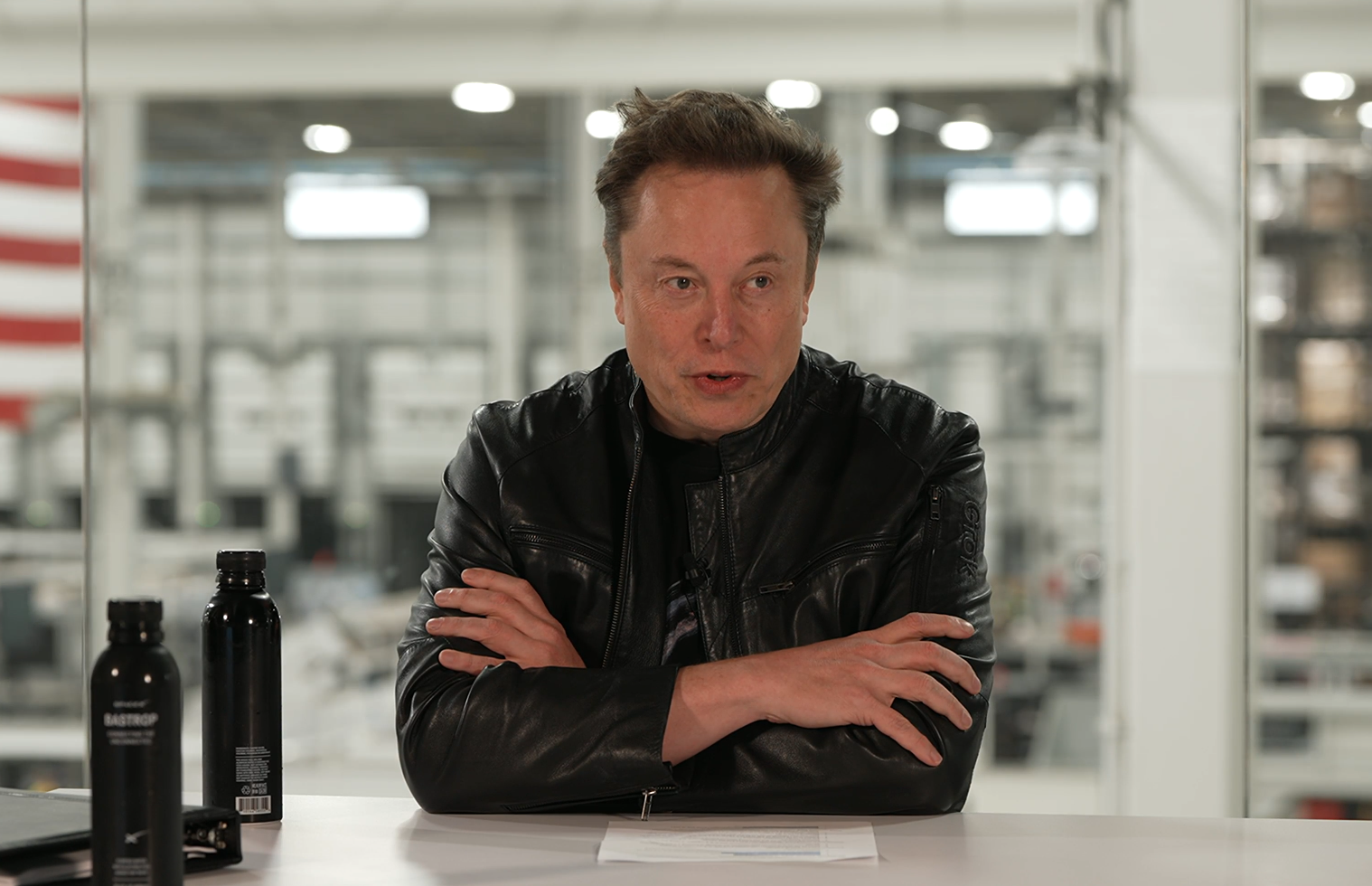
Elon Musk stated that SpaceX could achieve an annual recurring revenue run rate between $500 billion and $1 trillion by the end of 2027. This projection assumes growth from a $100 billion run rate anticipated in 2026. Musk noted that reaching the upper end of this target depends heavily on the expansion of compute capacity.
Regarding a potential merger between SpaceX and Tesla, Musk confirmed that special committees at both companies have begun exploring a combination. He stated that he is not participating in these discussions due to a conflict of interest. Any final agreement would require approval from at least 50% of Tesla shareholders.
If the merger proceeds, the combined entity would hold an estimated valuation of $2 trillion for SpaceX and $1.5 trillion for Tesla. Musk emphasized that no formal terms have been agreed upon and there is no guarantee that the transaction will be completed.