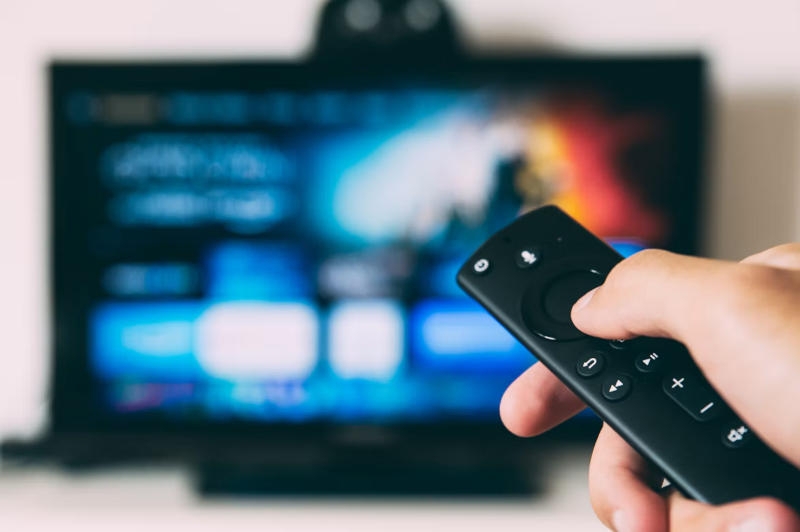
Researchers from Northeastern University analyzed 12 smart TVs from 10 manufacturers, covering 95% of the US market. The study involved 5,943 experiments across eight operating systems, including Tizen, Vizio OS, and Roku OS, to monitor network activity during various viewing scenarios.
Samsung TVs running Tizen continued to contact ACR servers even after users disabled tracking. These connections occurred in all 30 tests using built-in streaming apps, 41 out of 60 tests with broadcast TV, and 18 out of 30 tests when using HDMI devices.
Vizio devices exchanged traffic with Amazon Kinesis servers in all scenarios, including idle states. Roku showed activity only when using The Roku Channel, which the company discloses in its settings. Researchers noted that all traffic was encrypted, preventing data content analysis.
Historical regulatory actions include a 2017 settlement where Vizio paid $2.2 million to the FTC over unauthorized data collection. Samsung also previously settled a lawsuit in Texas regarding ACR technology, agreeing to provide more transparent disclosures in user agreements.