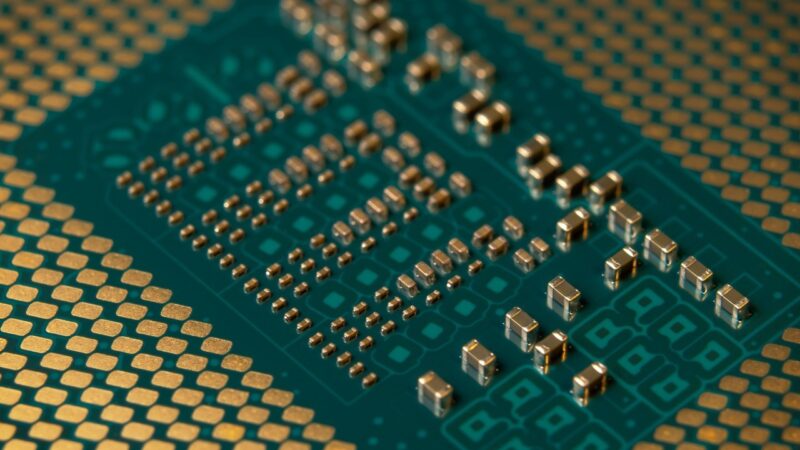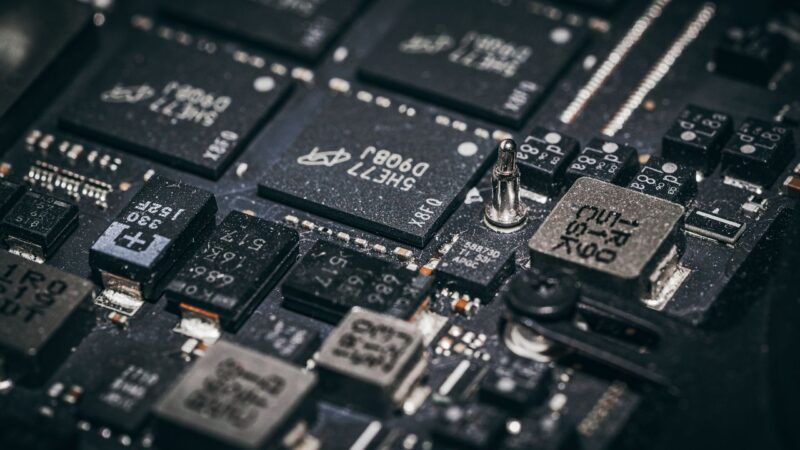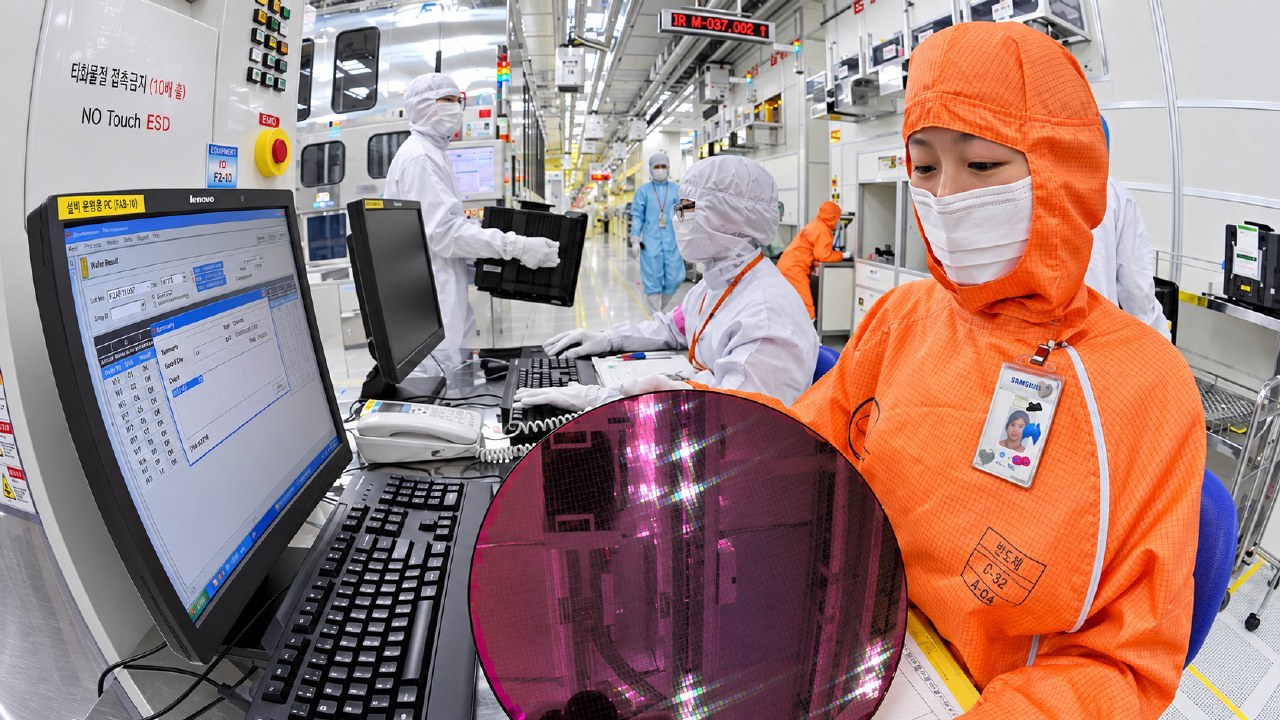
Global semiconductor exports have surpassed oil and gas in total value for the first time, according to a report by Deutsche Bank strategist Mallika Sachdeva. The analysis, based on International Trade Centre data through the second quarter of 2026, shows chip exports reaching approximately $1.6 trillion, while oil and gas exports totaled around $1.5 trillion.
The primary beneficiaries of this shift are Asian economies, including South Korea, Taiwan, Japan, and ASEAN nations. South Korea, in particular, has seen its semiconductor trade surplus reach nearly $250 billion, which constitutes the entirety of its national trade surplus. These nations are increasingly directing their surpluses into US equities rather than traditional government bonds.
Foreign investors have purchased over $1 trillion in US stocks in the year preceding the report, with a significant portion originating from Asian chip-exporting economies. This trend contrasts with the historical petrodollar model, where oil revenues were primarily used to finance US government debt through Treasury purchases.
Despite the growth in export value, the semiconductor sector faces market volatility. The PHLX Semiconductor Index recently experienced a weekly decline of more than 17%, marking its worst performance in 25 years. US companies currently capture roughly 70% of industry profits and about 87% of global chip design revenue, maintaining a dominant position in the high-margin segment of the market.