

Samsung's advanced mechanical R&D head Hee-Cheul Moon and smartphone R&D head Seungki Choi stated that device weight is the primary factor for the success of foldable phones. Samsung reduced the weight of the Galaxy Z Fold8 by 75 grams compared to previous versions, achieving a weight of 201 grams, which is lighter than the Galaxy S26 Ultra at 214 grams.
To achieve this weight reduction, Samsung analyzed approximately 270 main parts and over 180 auxiliary accessories. The company redesigned printed circuit boards to optimize component layout and removed 15 auxiliary parts. Additionally, the internal screen support plate was thinned to 0.2 mm and a flexible titanium alloy screen film was implemented to maintain surface flatness and prevent creases.
The Galaxy Z Fold8 features a dual-camera system consisting of a main and ultra-wide lens, omitting the telephoto lens to maintain its compact passport-style form factor. For users requiring 200-megapixel main cameras and high-end zoom, Samsung offers the Galaxy Z Fold8 Ultra as an alternative.
Regarding durability, the Galaxy Z Fold8 series has an IP48 rating, which is lower than the IP68 rating found in most slab flagships and Google's Pixel foldable. Samsung's internal data and 2024 YouGov research indicate that bulkiness is the main reason consumers avoid foldable devices.
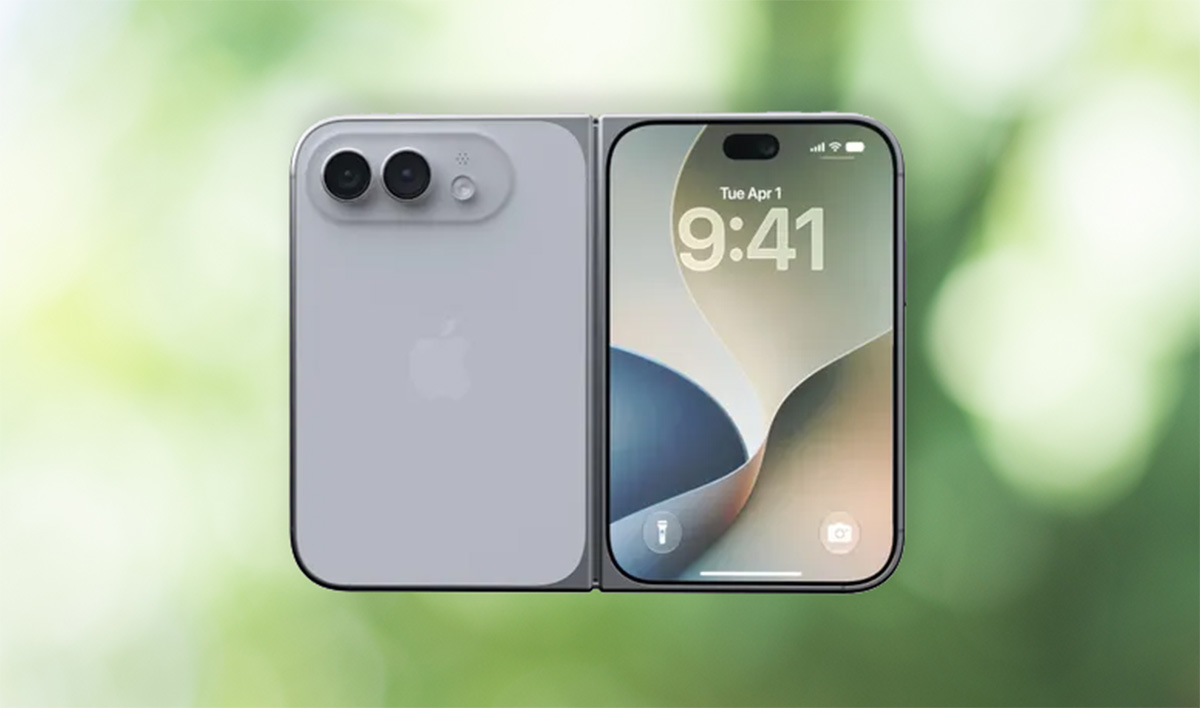
Market trends show that pre-orders for Samsung's new foldables rose by 30% year-on-year, with the Fold8 contributing nearly half of these orders. IDC Senior Director Nabila Popal suggests that the entry of Apple's foldable iPhone, rumored to be called the iPhone Duo and weighing between 230 and 241 grams, could drive a nearly 13% growth in the category.