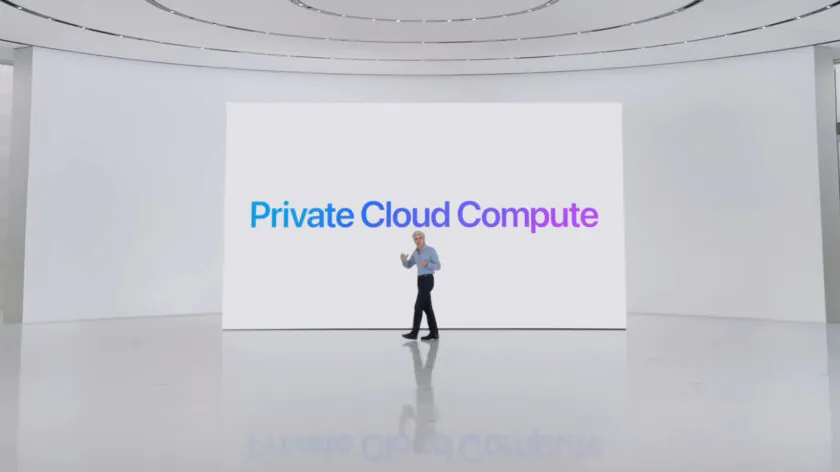
Samsung is developing a new framework called SPAC, discovered within the code of the first One UI 9.5 beta. The architecture aims to provide private cloud processing for Galaxy AI features, mirroring the approach of Apple's Private Cloud Compute. It utilizes an Arcane server-side gateway to manage anonymous and encrypted requests.
The system employs multiple security layers, including third-party relay forwarding to mask user identity and server-side software verification to prevent tampering. Devices will use one-time tokens to authenticate as genuine Galaxy users without revealing personal information. These measures ensure that Samsung cannot link requests to specific users.
The framework is designed to support various AI models, including Google's Gemma 4, Alibaba's Qwen 3.6, and Black Forest Labs' FLUX.2 klein 4B. References also exist for OpenAI's text-to-speech, Samsung's proprietary Gauss, and Meta's V-JEPA, though their active integration remains unconfirmed.
SPAC is intended to support a wide range of Galaxy AI functions, such as photo editing, real-time translation, writing assistance, and Bixby operations. Despite these findings, the framework is not yet active on the Galaxy S26 Ultra, as current features continue to rely on existing cloud or local processing methods.