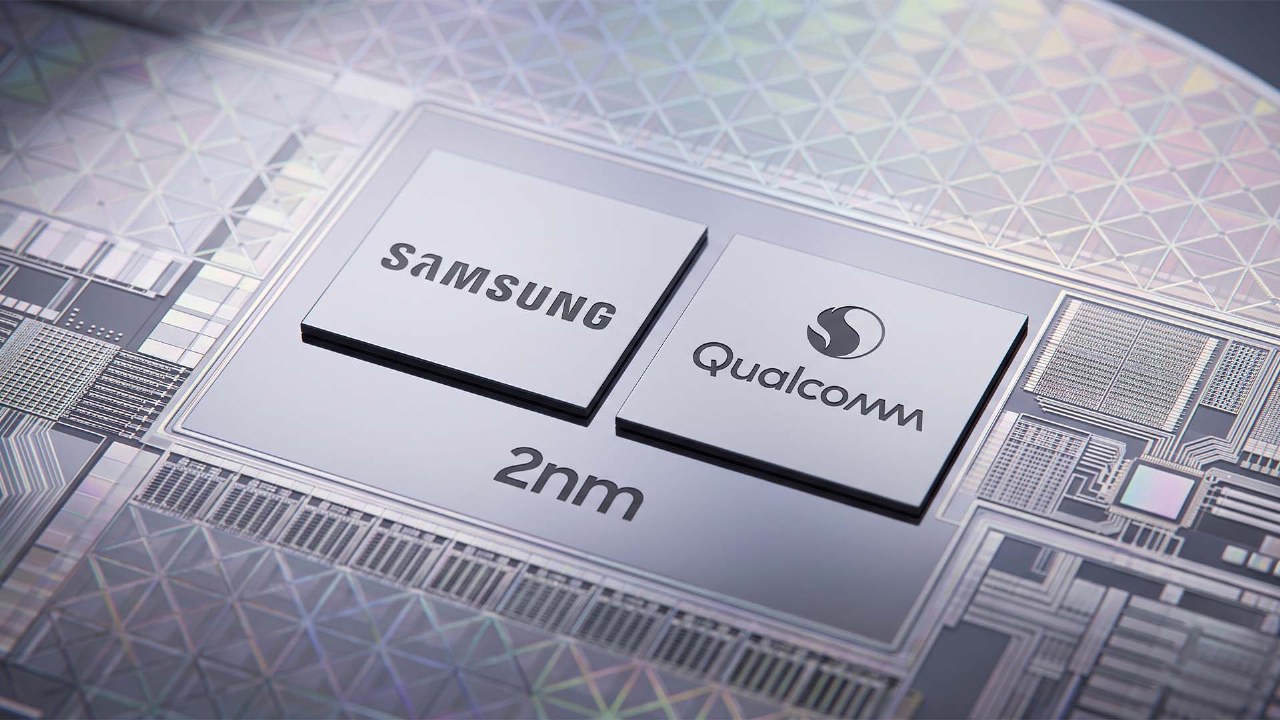
Samsung has reportedly overcome the technical hurdles regarding its 2nm manufacturing process, which previously hindered cooperation with Qualcomm. The company has made progress with its SF2 and second-generation SF2P processes, supported by the performance of its internal Exynos 2700 chip.
Despite technical improvements, the companies are deadlocked over pricing. Qualcomm is seeking competitive rates to reduce costs and dependency on TSMC, while Samsung refuses to lower prices, arguing that the projected order volume for 2nm chips is insufficient to justify discounts.
Samsung’s strategy has shifted away from aggressive low-price tactics. With new orders from clients like Tesla and Broadcom, and rising demand for AI chips, the company has increased prices for some advanced processes by up to 15% as of August.
Qualcomm is currently managing rising production costs and potential market demand fluctuations. The company is considering a strategy that keeps 3nm chips alongside new 2nm products to control expenses, which further limits the volume of potential orders for Samsung.
Even if an agreement is reached, Samsung is unlikely to replace TSMC immediately. Qualcomm has already placed initial orders with TSMC for its Snapdragon 8 Elite Gen 6 and Pro chips, making Samsung a potential secondary supplier for future production cycles.