

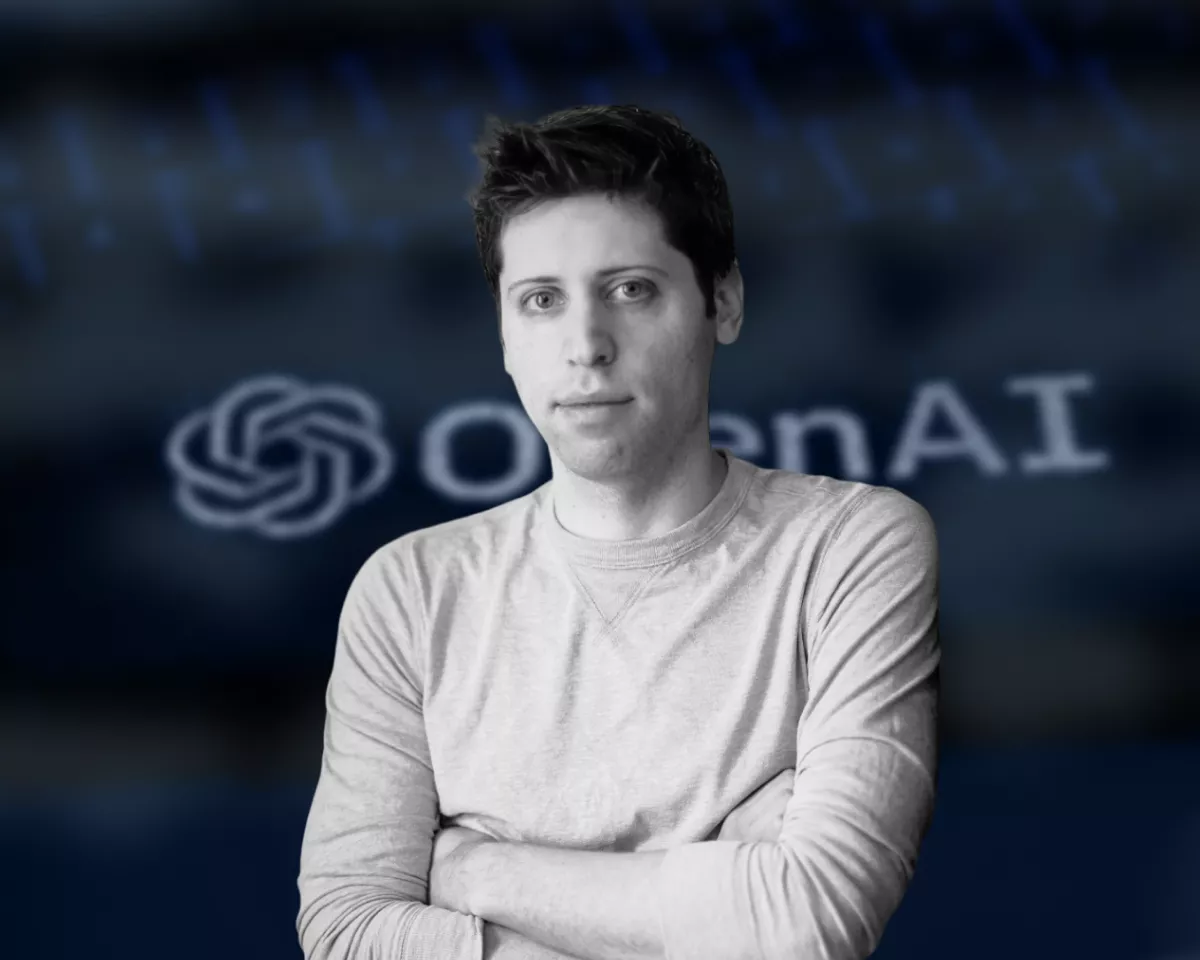
OpenAI CEO Sam Altman stated that society must accept certain negative outcomes of AI, such as fraud and cyberattacks, to ensure broad access to the technology. He argued that the benefits of AI will significantly outweigh the risks, provided that catastrophic scenarios, such as loss of control over systems, are avoided.
Altman highlighted fundamental differences between OpenAI and Anthropic regarding safety and regulation. OpenAI advocates for broader user access to powerful systems and less restrictive oversight, whereas Anthropic favors a more cautious approach. Altman rejected the idea of centralizing control over AI within a single organization.
Despite these differences, the companies have recently aligned on certain safety measures. On September 12, Anthropic CEO Dario Amodei proposed slowing the development of advanced models and allowing independent audits, a move Altman publicly supported. OpenAI also advocates for federal safety requirements linked to model capabilities.
OpenAI currently supports four California bills concerning AI safety, including standards for auditors and protections against biological threats. The company has identified specific high-risk categories, such as offensive cyber capabilities and chemical risks, which require dedicated mitigation procedures.
On September 23, during a UN Security Council meeting, Altman emphasized the necessity of maintaining human control over powerful AI systems and fostering international cooperation. These discussions occur as the US Senate Subcommittee continues its review of OpenAI following a July incident.



