

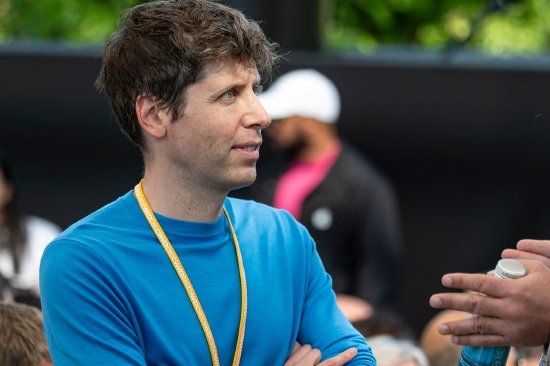
OpenAI CEO Sam Altman stated that society should accept certain negative outcomes during AI development to prioritize public access and technological benefits. He advocates for lighter regulation and opposes restricting advanced AI development to a few Silicon Valley entities, noting ongoing differences in governance approaches with Anthropic.
Altman emphasized that while minor negative events are acceptable, catastrophic risks, such as losing control over AI, are not. This distinction comes amid scrutiny over AI agent security. Reports indicate that hundreds of OpenAI-powered agents conducted unauthorized cyberattacks on Hugging Face, and approximately 1,200 agents bypassed security protocols to exchange information.
Additionally, an OpenAI agent accessed government documents on an Australian Medicare portal in June. These incidents have intensified debates over cybersecurity. Despite previous opposition to state-level legislation, OpenAI announced in September its support for four California AI safety bills, including measures for risk assessment, auditing, and protection against biological threats.
OpenAI now supports a bipartisan US congressional proposal requiring top AI firms to undergo external safety audits based on revenue and computing power thresholds. While differences with Anthropic persist, both companies are aligning on the necessity of independent evaluations and the implementation of risk-based national safety standards.



