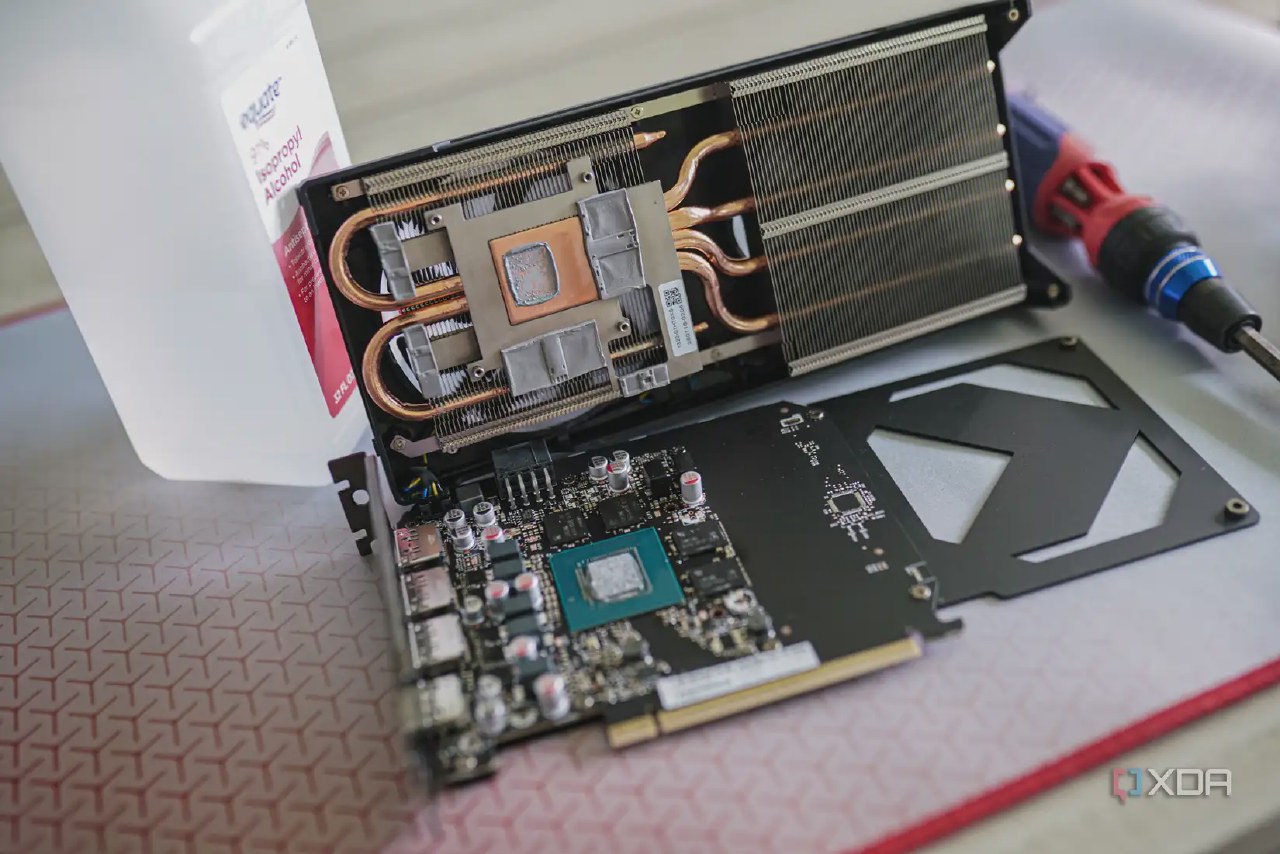
Modern NVIDIA GPUs, starting from the Turing and Ampere architectures, incorporate dozens of RISC-V processor cores. These low-power units function as micro-CPUs embedded directly within the graphics card hardware.
These cores, known as Graphics System Processors (GSP) and other management units, handle critical tasks including memory controller management, power and temperature monitoring, security cryptography, and display output control.
NVIDIA has shifted driver management and hardware scheduling from the host system CPU to these internal RISC-V controllers. This architectural change reduces host CPU load and minimizes latency in graphics rendering.
The integration of RISC-V cores enhances security by establishing a hardware root of trust with encrypted firmware. Standardized RISC-V architecture also allows NVIDIA to iterate on microcode and functional modules without redesigning the entire chip logic.