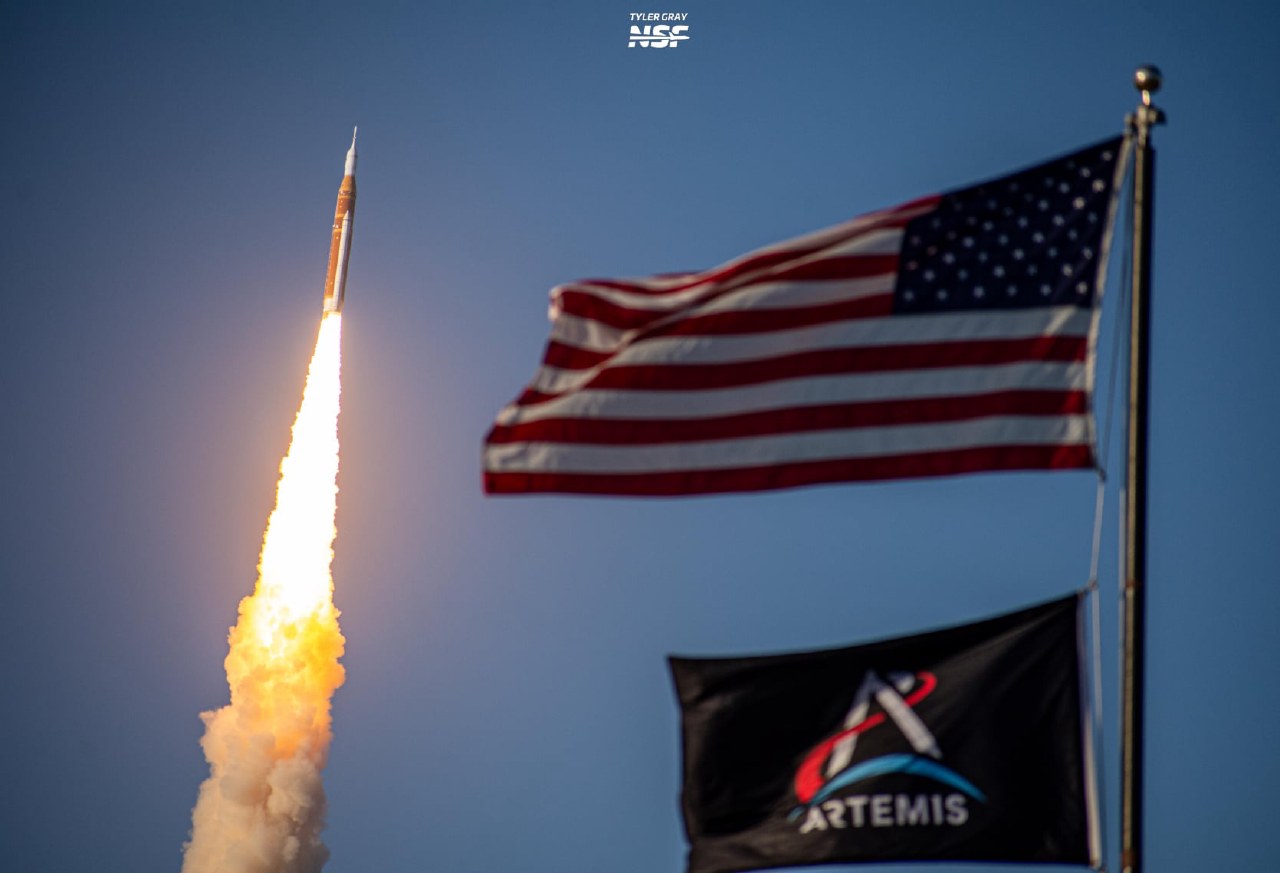
NASA Administrator Jared Isaacman has outlined a strategy to standardize the Space Launch System (SLS) by focusing on higher flight rates and cost reduction. The agency has decided to cancel the SLS Block 1B and the Exploration Upper Stage (EUS) development, shifting instead toward a stretched Centaur V upper stage.
The Centaur V, currently used for the Vulcan rocket, is being adapted for NASA to improve performance for Orion missions. NASA and United Launch Alliance are collaborating on development and production, with the stretched stage expected to support both SLS and Department of Defense missions.
NASA has officially halted work on Mobile Launcher 2 (ML-2), citing that a single mobile launcher is sufficient for an eight-month launch cadence. Components from the canceled EUS and ML-2 are being repurposed as government-furnished equipment to support Blue Origin and provide training for NASA personnel.
The agency aims to achieve a crewed flight frequency of at least once per year, with a potential target of two launches in 2028. Long-term objectives include establishing two transportation pathways to support crewed lunar missions every six months by the 2030s, with Orion remaining a key component of the architecture.
For the Artemis IV mission, NASA is currently evaluating both the Interim Cryogenic Propulsion Stage (ICPS) and the stretched Centaur V as options. Modifications to Mobile Launcher 1 are underway to support these operational shifts while maintaining the current flight schedule.