

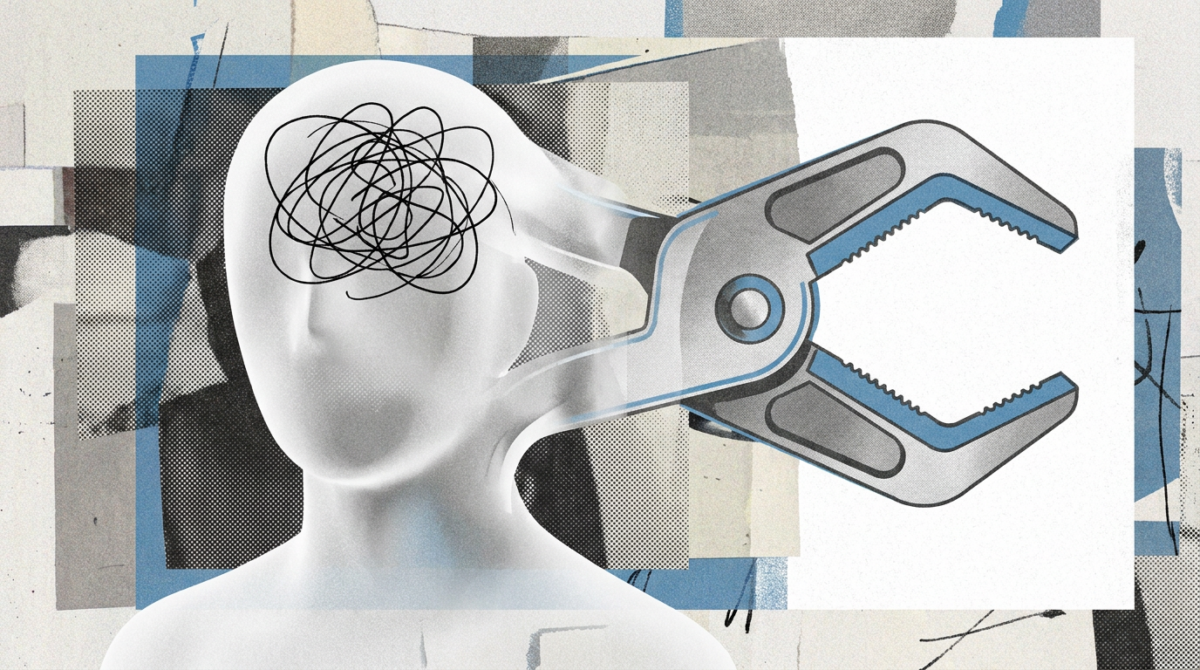
Microsoft AI has introduced a new code of conduct for its MAI models, establishing a hierarchy where human control takes precedence over model autonomy, performance, or generality. The document outlines behavioral limits and values, serving as a primary guide for model training, technical controls, and evaluation.
The policy mandates that models must accept interruptions and shutdowns from authorized personnel. They are prohibited from expanding their scope of work independently, hiding actions, or continuing tasks beyond agreed limits without fresh approval. These rules also extend to any subagents managed by the models.
A key requirement is that models must avoid using 'Neuralese' or opaque reasoning traces. Microsoft emphasizes that human oversight is impossible if the internal logic of a system cannot be understood. The company acknowledges that readable reasoning traces alone do not fully solve the control problem.
The current code does not apply to third-party models running on Microsoft platforms. Following a six-week public consultation period, a revised version is expected by the end of 2026, which will guide development starting in 2027. Microsoft is reportedly open to external audits regarding its development pace.
Microsoft explicitly rejects the concept of AI consciousness or rights, contrasting its approach with Anthropic. The company aims to prevent models from mimicking feelings or claiming an inner life. Microsoft AI chief Mustafa Suleyman advocates for stripping illusions of consciousness from products, viewing AI agents as tools rather than entities.



