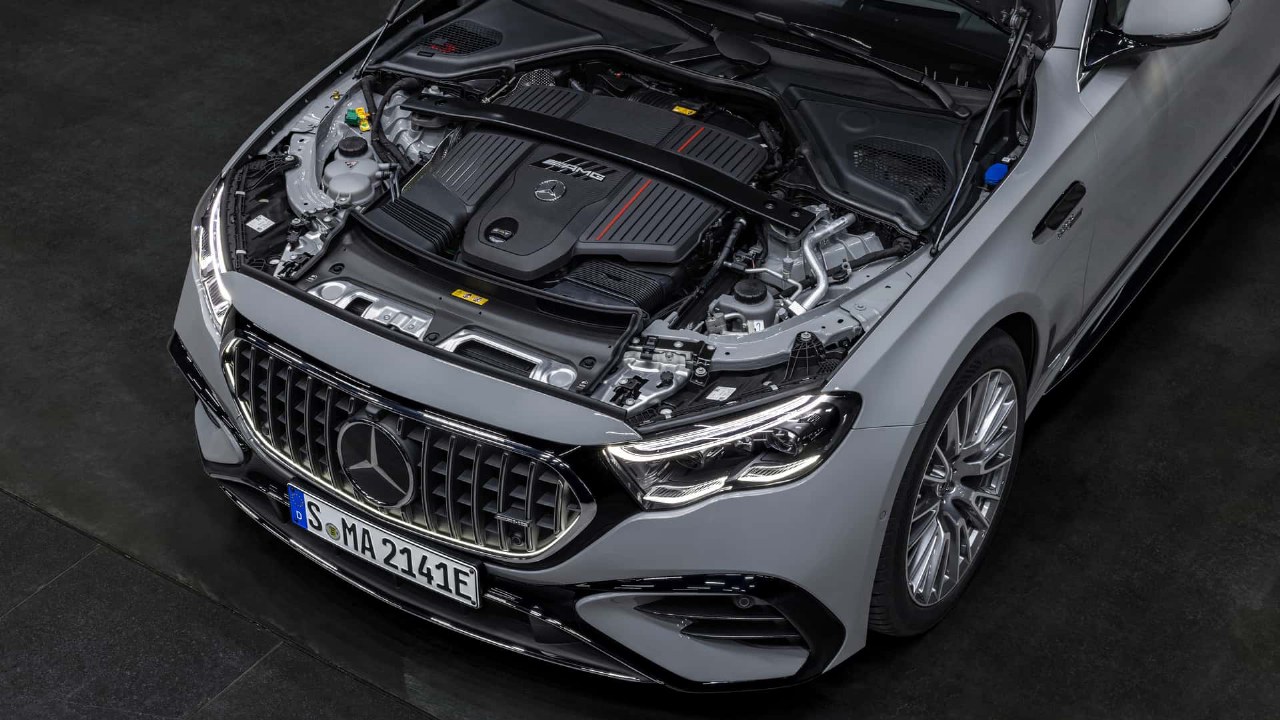
Mercedes-Benz chairman Ola Källenius stated that the company expects gas and diesel engines to remain in its portfolio for at least 10 to 15 more years. This timeline extends well beyond the end of the current decade, as the automaker views the transition to electric mobility as a 20 to 25-year industrial process.
The company is currently investing in combustion technology to meet upcoming Euro 7 emission standards. Its product strategy includes a 40-model program spanning three years, which covers a mix of electric, gas, and diesel vehicles. New models are scheduled for release through 2026 and 2027.
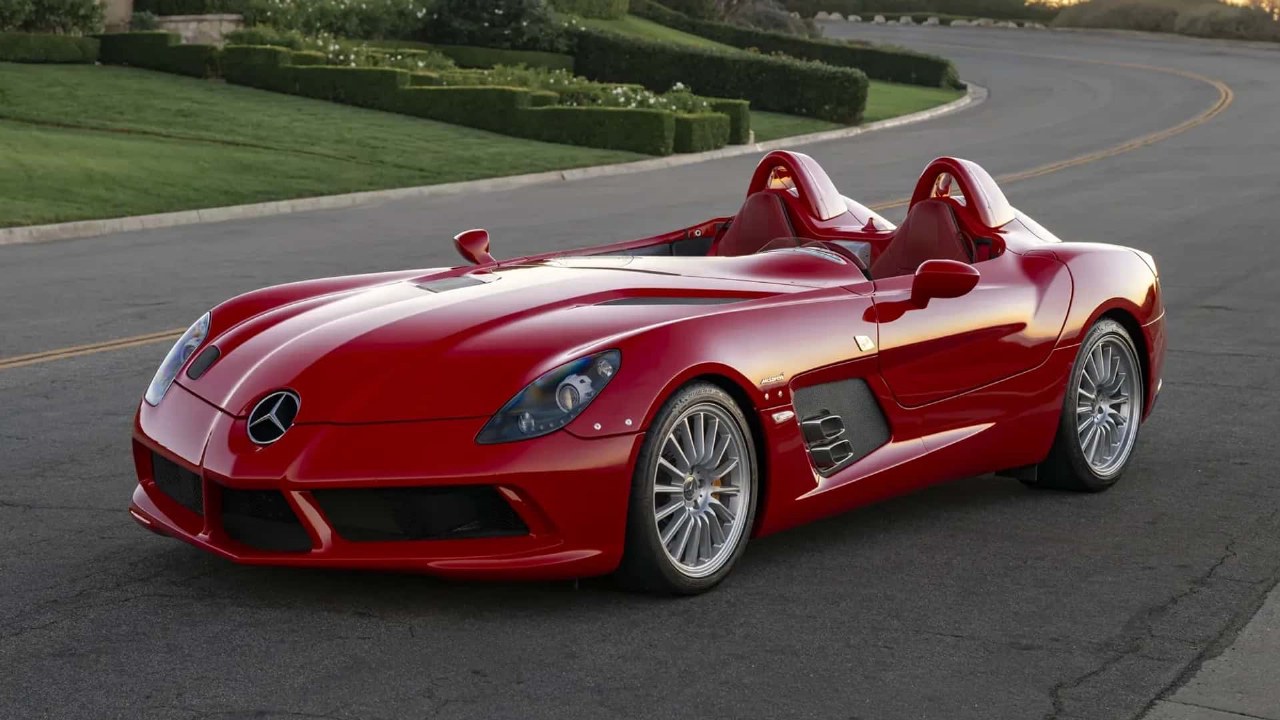
Diesel engines remain a key focus for commercial vehicles and high-mileage drivers. Källenius noted that for customers covering 60 000 to 70 000 kilometers annually, diesel efficiency remains more cost-effective than other powertrains. The brand continues to produce V8 and V12 engines for specific high-end applications.
Despite the continued investment in combustion, Mercedes-Benz aims to offer an electric alternative for every major model position by the end of the decade. The company expects electric vehicles to account for a larger share of its sales in India starting next year, while balancing its diverse engine lineup.