

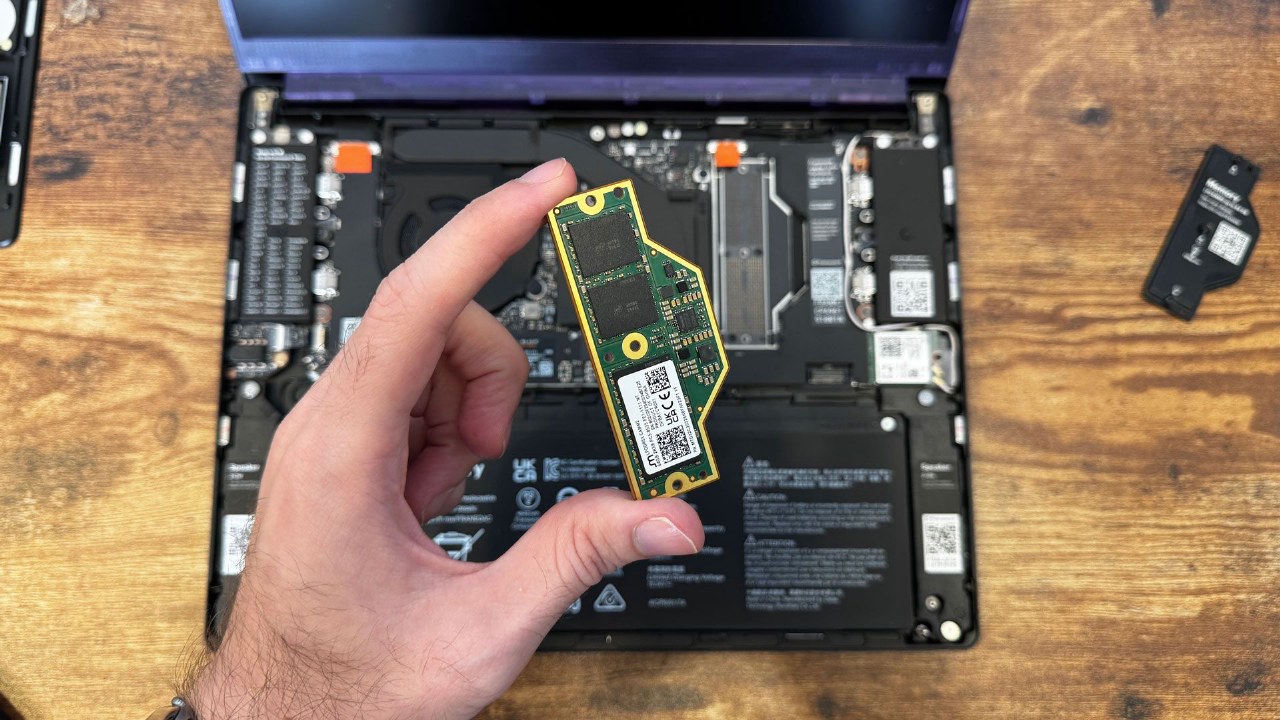
The ongoing memory shortage, projected by SK Hynix to last until 2030, is forcing smaller hardware manufacturers to rethink their production strategies. For budget-friendly devices, memory costs now represent a significant portion of the total bill of materials, with Fairphone noting that memory can account for nearly 60% of the cost in phones priced around $400.
To mitigate supply risks, manufacturers are adopting new operational tactics. Jolla has developed two distinct motherboard versions to maintain flexibility between chip packages and has implemented rigorous testing protocols for every batch to prevent the use of refurbished memory. Meanwhile, Counterpoint Research forecasts a 13.9% decline in global smartphone shipments this year, totaling 1.08 billion units.
Framework is leveraging its modular design to allow users to utilize memory from older devices or second-hand components. The company also commits to non-cancellable orders well ahead of time. Recently, Framework adjusted prices for its 32GB and 64GB laptop variants, initially raising them due to supplier costs before lowering them again after securing more affordable inventory.


