US regulators have implemented new rules under the GENIUS Act for stablecoin issuers. While direct interest payments on tokens are prohibited, third-party reward programs will be evaluated on a case-by-case basis. Banks have expressed concerns over this, noting that crypto platforms offer up to 3.5% annual returns compared to 0.38% in traditional accounts.
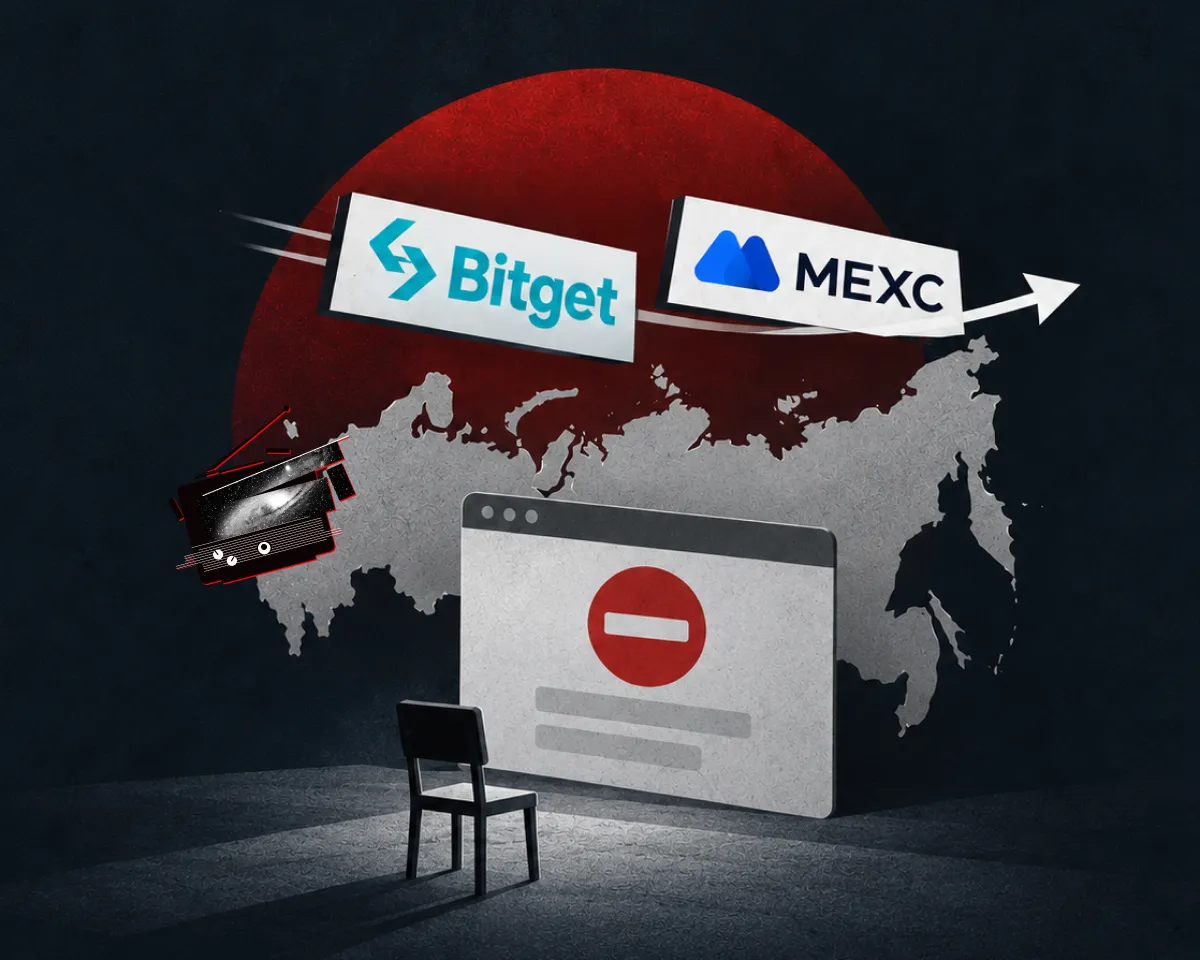
Major crypto exchanges are exiting Russia and Belarus due to the EU's MiCA regulation and local Russian law 282-FZ, which mandates local offices despite secondary sanction risks. Analysts predict the Russian market will consolidate around banks and Central Bank registries, while business operations shift to Hong Kong and Dubai.
JPMorgan has issued a 10-15 year forecast for Bitcoin, projecting an average annual return of 10%. Despite this outlook, the bank still classifies Bitcoin as a speculative asset due to high volatility and does not include it in core portfolios, even as it expands its own crypto-related operations.
State-backed hacking groups are adopting AI and post-quantum cryptography. The Lazarus group uses AI-generated resumes for phishing, while Storm-0940 employs AI agents capable of 2,900 password attempts per minute. These tactics threaten cloud services, IT contractors, and the Web3 industry.
Anthropic researchers explored running AI models on consumer devices like TV boxes. While creating a reliable distributed network remains difficult, the study highlights risks regarding hidden costs, such as increased electricity and hardware wear, as users may lose control over their own computing power.