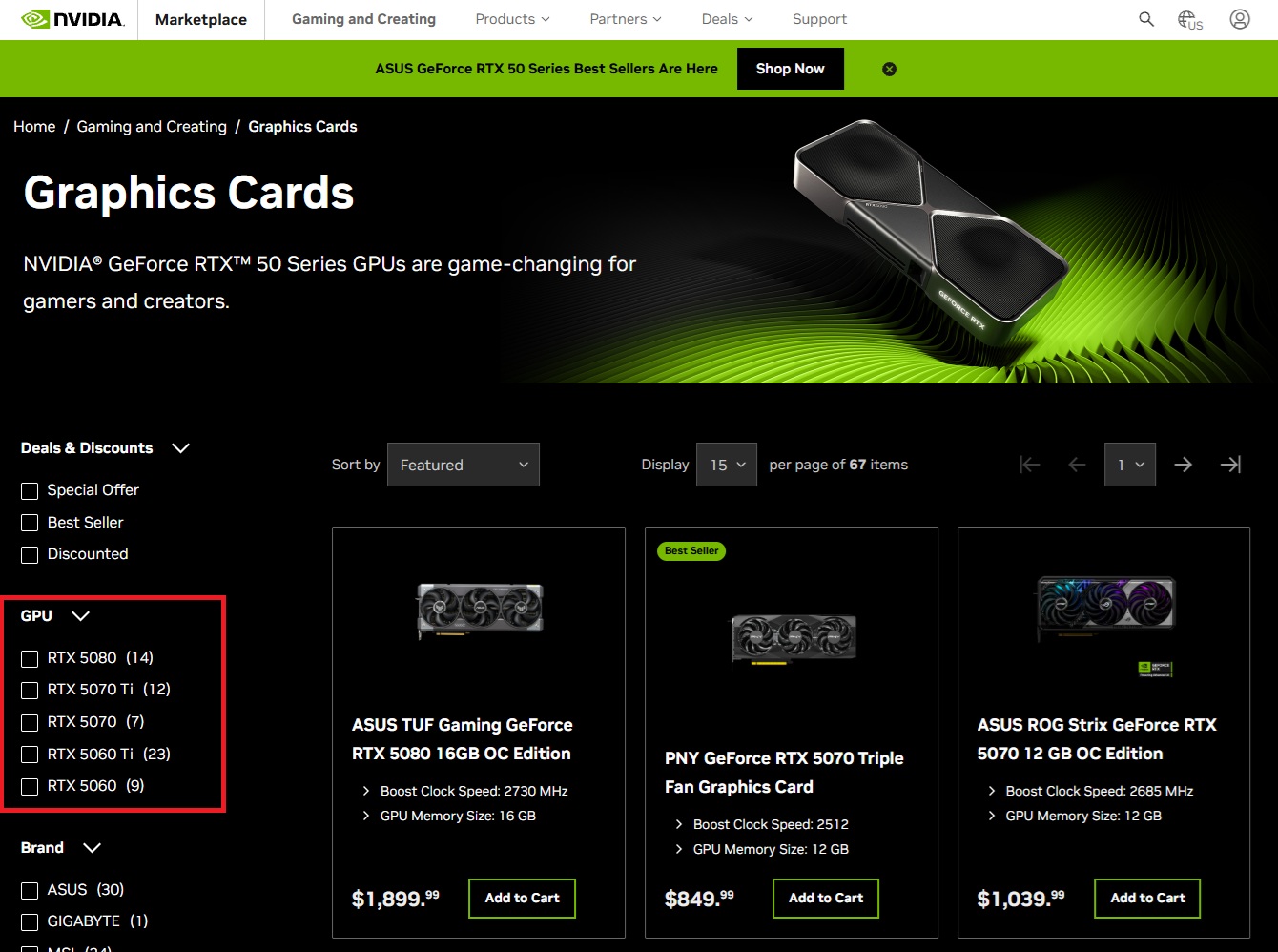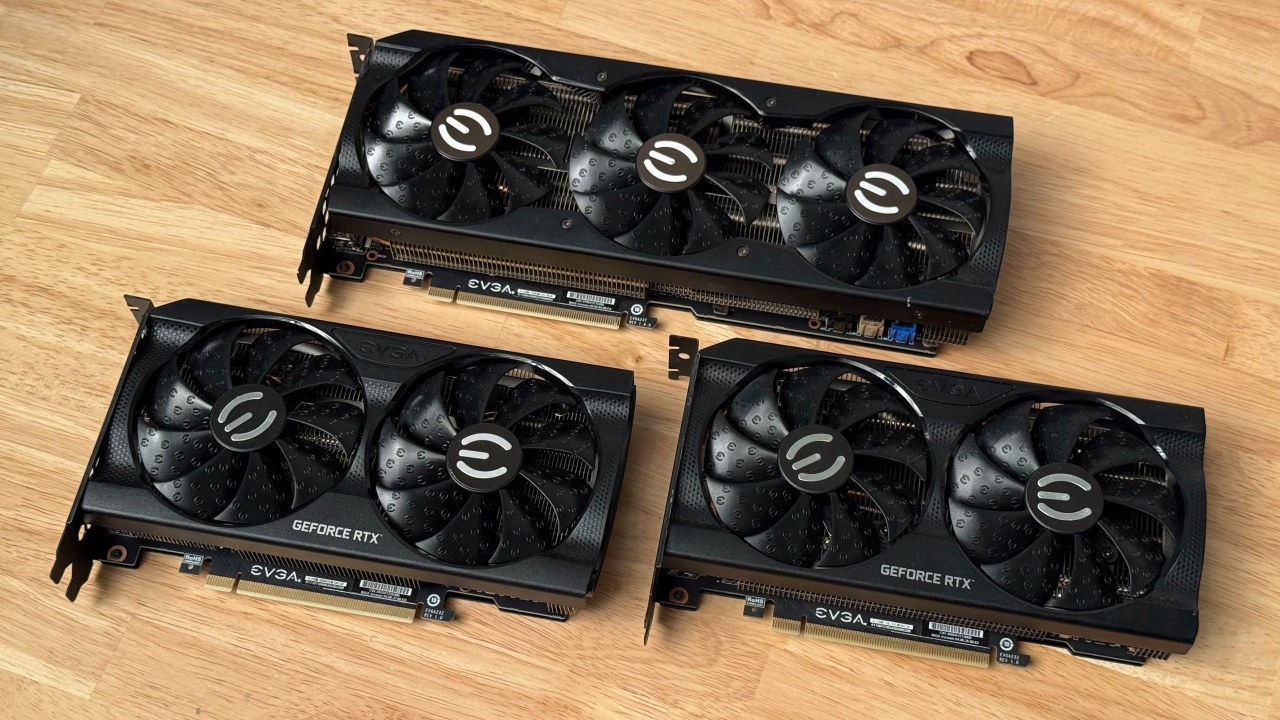
Former EVGA employee Jacob Hedrick detailed the deteriorating relationship between EVGA and Nvidia, which began with the 2016 launch of Founders Edition GPUs. Nvidia's direct sales to consumers created competition with its own board partners, while mandates to sell cards at MSRP often forced EVGA to sell products at a loss to secure chip allocations.
Hedrick noted that premium models with better cooling and circuit boards appeared overpriced to customers compared to the advertised MSRP. As Nvidia's Founders Edition cards improved, demand for premium third-party cards declined, leading to longer upgrade cycles among consumers and financial pressure on EVGA.
The company faced additional challenges with the 2018 introduction of ray tracing, as EVGA struggled to justify the technology to consumers when few games supported it. By 2022, EVGA announced its exit from the GPU market, deciding to stop production after selling its remaining RTX 30-series stock.
Reports indicated that Nvidia GPUs accounted for 78% of EVGA's revenue but contributed a minimal share of total profit. While lower-tier cards like the RTX 3060 were profitable, EVGA reportedly lost hundreds of dollars on each sale of high-end models like the RTX 3080.
Other factors contributing to EVGA's exit included high fixed costs, a focus on North American and European markets, and generous customer service policies. These strategies, combined with narrow margins, left the company vulnerable despite its strong brand reputation.