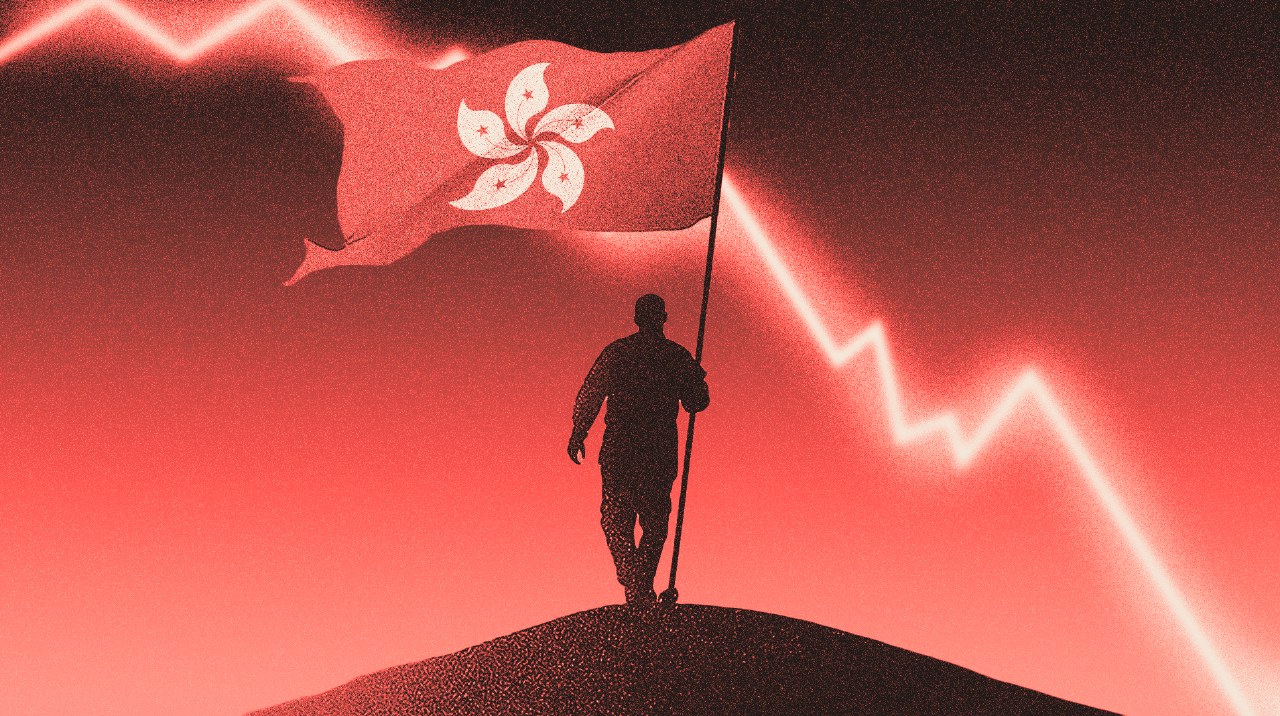
The Hang Seng Index experienced a significant decline on Friday, dropping by 3% during intraday trading. This performance marks the sharpest fall for the index since March 23. The downturn follows a period where the 10-year US Treasury yield reached its highest point since 2002.
Financial institutions bore the brunt of the market selloff despite the general expectation that higher interest rates benefit bank margins. HSBC Holdings shares dropped by 5.7%, while Standard Chartered saw a decline of approximately 5%. Additionally, shares of the insurer AIA Group fell by nearly 6%.
The city's financial landscape is heavily influenced by the Hong Kong dollar peg to the US dollar. This mechanism forces local financial conditions to align with US monetary policy, regardless of domestic economic requirements. Analysts note that the US rate cycle creates headwinds for the index through this currency link.
Liquidity in the Hong Kong market remains thin as mainland Chinese markets are closed for the Golden Week holiday until October 8. This closure prevents southbound investment flows, which typically support the index. Furthermore, recent stimulus measures from Beijing have failed to meet investor expectations, contributing to the negative sentiment.
The broader market environment remains challenging, with a Bloomberg gauge of Chinese property developers falling by 4.3%. Major tech stocks, including Alibaba Group and Tencent Holdings, also exerted downward pressure on the Hang Seng. Market participants are now waiting for the return of mainland traders on October 8 to assess the long-term impact on asset pricing.