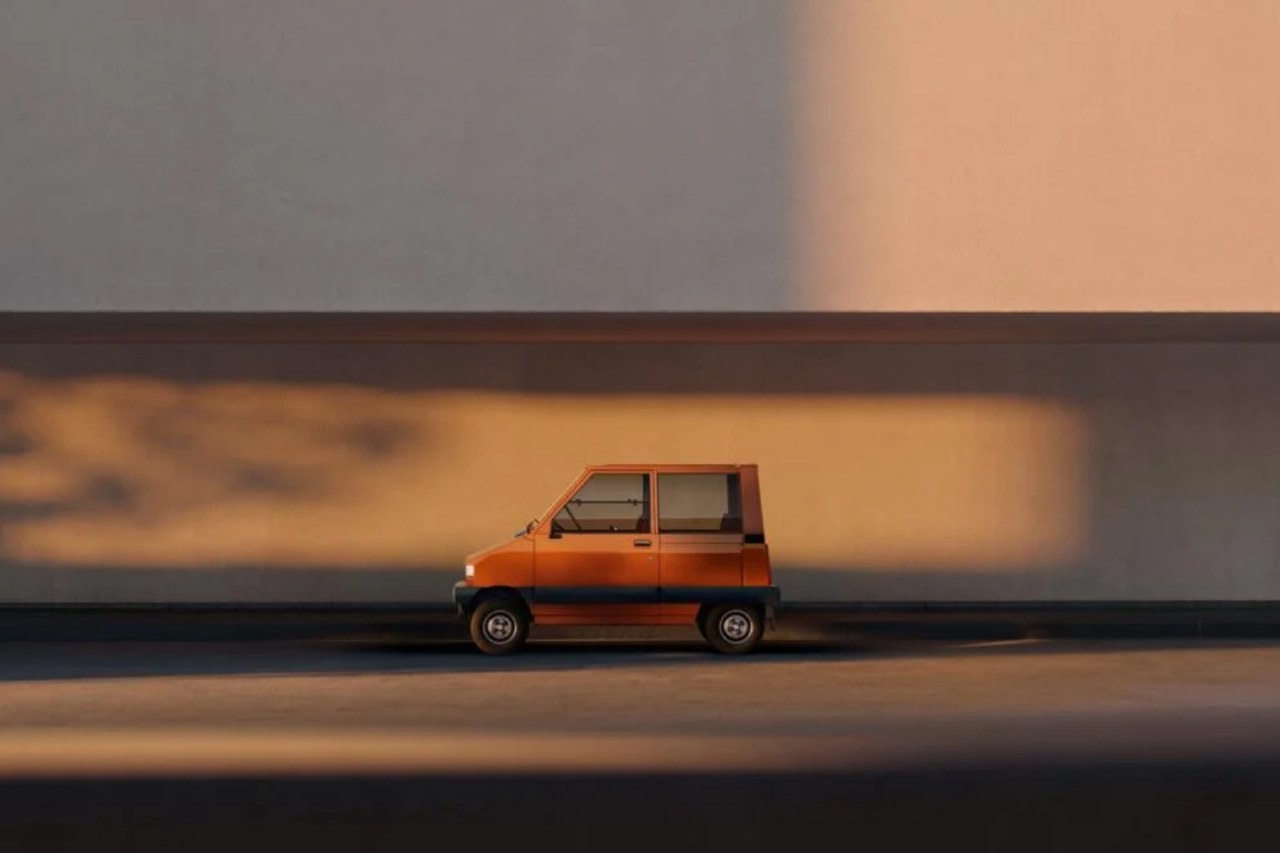
In November 1976, Volvo unveiled its first electric vehicle, the Elbil, marking the company's early foray into electromobility. The project resulted in two prototypes: a four-seater and a two-seat delivery van. The van was partially funded by the Swedish government and intended for use by the Televerket telecommunications authority in Gothenburg.
The 1976 Elbil featured a 9.5 kW electric motor integrated into the rear axle and a continuously variable transmission. It reached a top speed of 70 km/h and relied on twelve 6-volt lead-acid batteries. The vehicle weighed 1,200 kilograms, with a range of 50 kilometers and a ten-hour charging time.
Volvo utilized glass-fibre-reinforced plastic for the bonnet and tailgate, while doors and roof panels were made of aluminium to manage vehicle weight. These materials contrast with modern production methods, such as cell-to-body technology and megacasting used in current models like the EX60.
Modern performance metrics for the EX60 P12 AWD Electric demonstrate significant advancement. The vehicle offers a range of up to 810 kilometers under WLTP standards and a powertrain output of 500 kW. Charging capabilities now allow for 340 kilometers of range to be added in ten minutes.