German military authorities have restricted access for certain connected vehicles to sensitive security areas. The measure targets cars equipped with cameras, microphones, radar, and ultrasonic sensors that could potentially collect data. The defense ministry clarified that there is no blanket ban on specific manufacturers or countries, as access rules are determined by local security officers at each site.
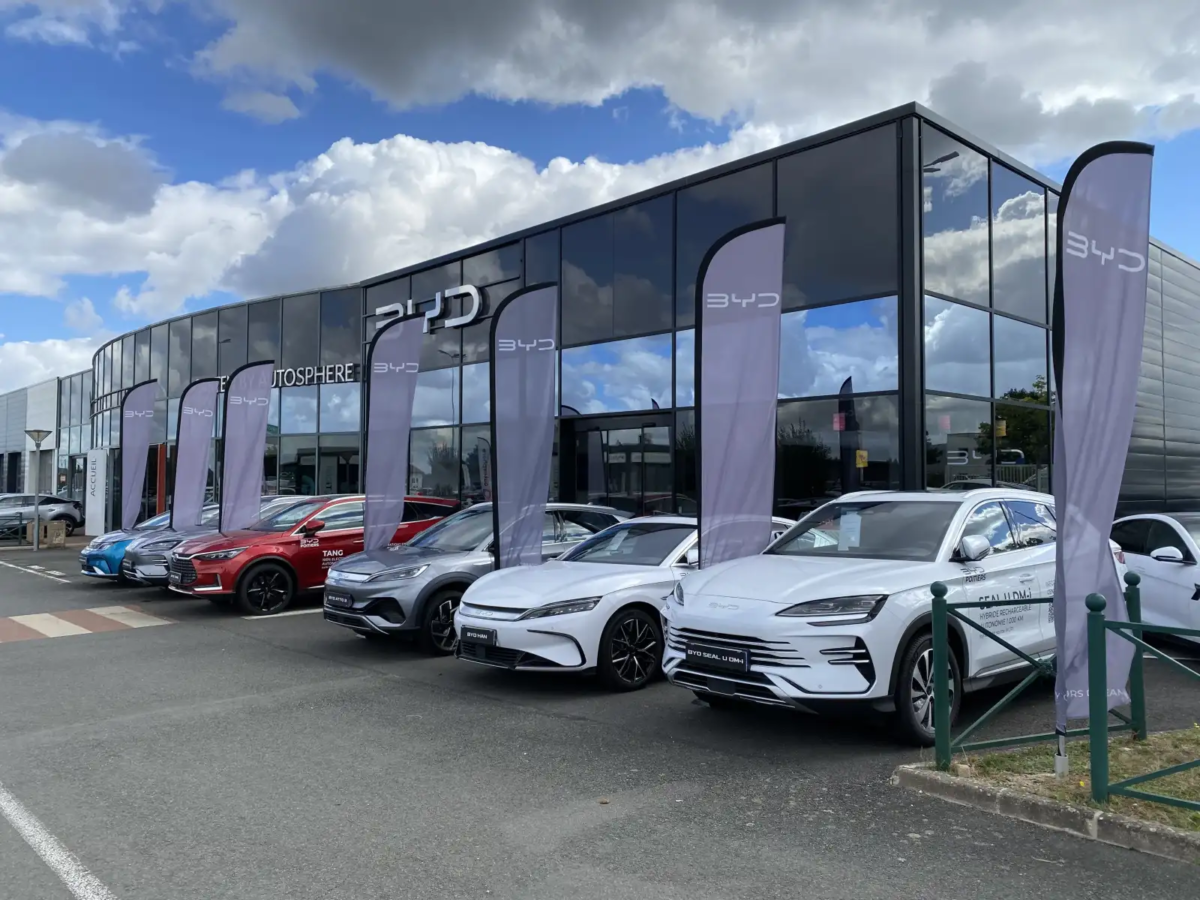
According to reports, soldiers driving vehicles identified on internal lists must park outside secure facilities and proceed on foot. While Chinese brands like BYD, Nio, and Geely were mentioned in reports, the ministry emphasized that restrictions depend on the vehicle's equipment and site-specific risks. No evidence has been presented that these cars transmitted information to foreign intelligence services.
Similar security measures exist elsewhere. The US military banned BYD vehicles at Kadena Air Base in October, and Poland introduced restrictions on vehicles capable of recording data at military sites in February. In March 2026, Czech company Orlen Unipetrol barred Chinese-made vehicles from four industrial sites, including two refineries, citing cybersecurity concerns.
China previously imposed its own restrictions on foreign brands. In 2021, Tesla vehicles were barred from certain government and military compounds due to camera concerns. These restrictions were lifted in July 2024 after the company passed a data-security assessment. Jiangsu province subsequently approved the Model Y for government procurement.
Market data for Germany shows varying performance for Chinese brands. BYD recorded 5,173 new-car registrations in October 2026, a 54.3% increase year-on-year. Its total for the first ten months reached 47,961 vehicles. Conversely, Nio registrations dropped to zero in October, with a total of 20 vehicles registered from January through October 2026.