

The Federal Reserve has increased its benchmark interest rate by 25 basis points, establishing a new range of 3.75% to 4.00%. This decision, reached through a unanimous vote, marks the first rate hike since 2023. Chair Kevin Warsh stated that while the economy has strengthened, inflation remains the primary concern that necessitates this policy adjustment.
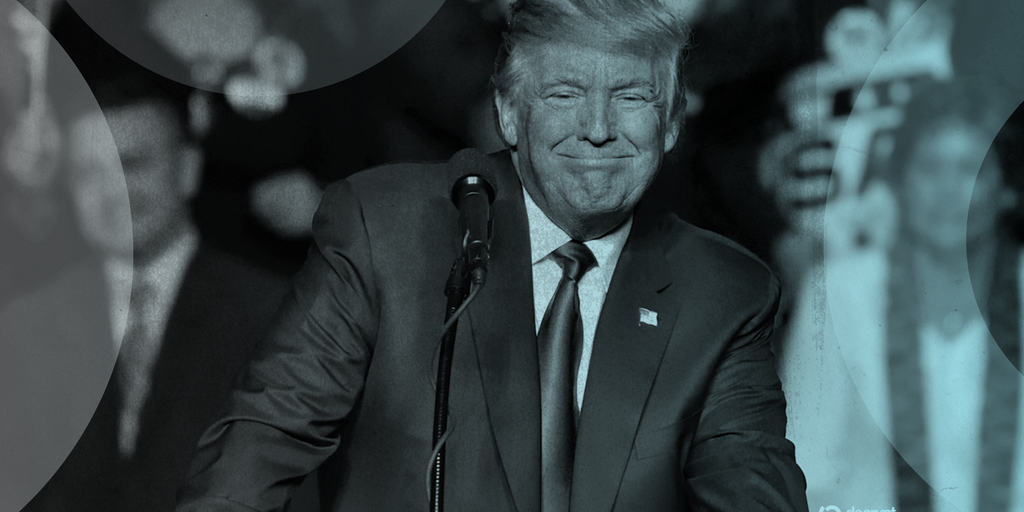
The move follows months of pressure from President Donald Trump, who has advocated for lower rates. Warsh declined to comment on the President's reaction, emphasizing the Fed's commitment to price stability. The board concluded that current economic growth does not justify a reduction in interest rates, as higher borrowing costs are intended to curb spending and inflation.
Market participants had largely anticipated the 25-basis-point increase. Following the announcement, Bitcoin experienced a brief spike before stabilizing near $75 500, reflecting a daily decline of approximately 0.5%. Higher interest rates typically reduce the appeal of riskier assets like cryptocurrencies and stocks in favor of government bonds.
Regarding artificial intelligence, Warsh clarified that the Federal Reserve will not engage in AI policymaking. Instead, the central bank is focusing on the economic implications of AI, particularly regarding productivity and labor demand. To this end, the Fed established five task forces earlier this year, one of which specifically monitors the impact of AI on the economy.
The Federal Reserve's current projections indicate the possibility of one additional rate hike before the end of the year. If this plan proceeds, markets will face further adjustments as the central bank continues its efforts to maintain price discipline.



