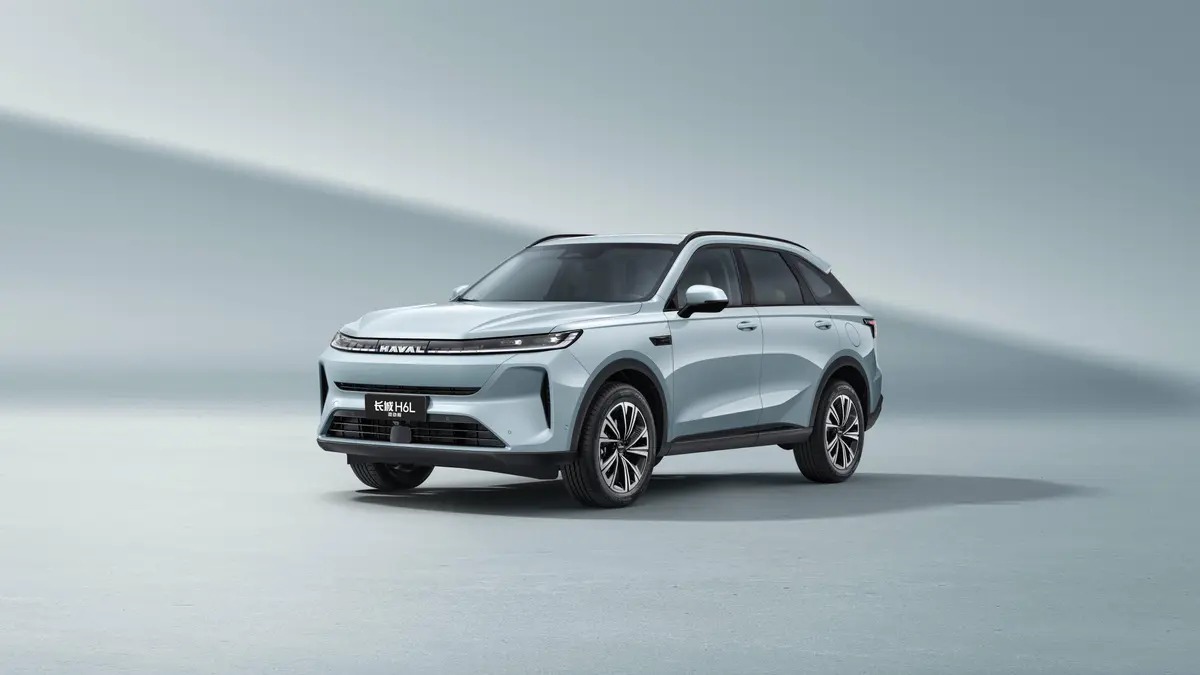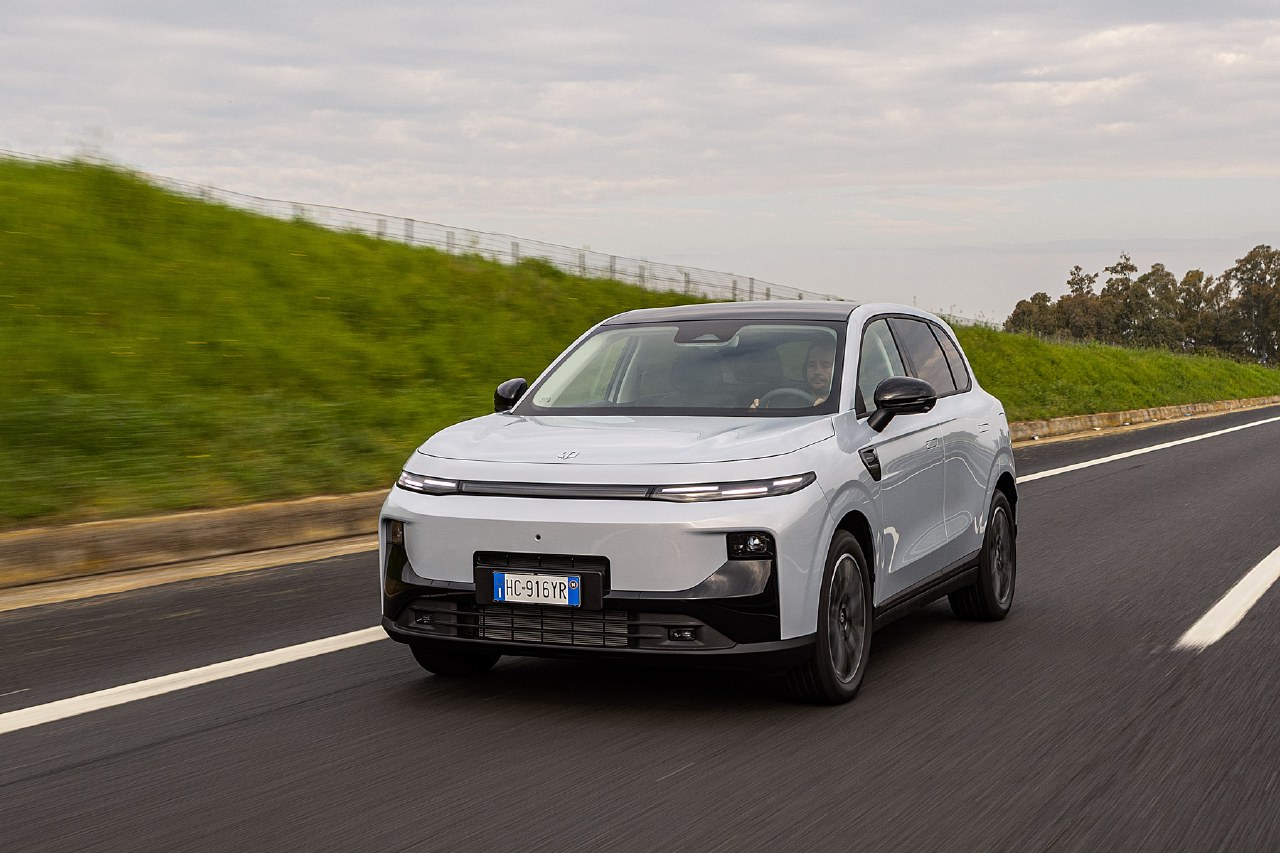
The annual import quota of 350,000 hybrid vehicles, established in October between the EU and China, excludes electric vehicles with range extenders (EREVs). These models remain classified as battery-electric vehicles, meaning they are exempt from the volume limit but continue to face EU anti-subsidy tariffs of up to 35.3 percent.
The European Commission distinguishes EREVs from conventional hybrids based on drivetrain mechanics. In EREVs, the combustion engine acts solely as a generator to charge the battery, placing them under tariff code 8703 80 10. Conversely, the hybrid quota applies to codes 8703 40 10, 8703 50 00, 8703 60 10, and 8703 70 00.
Several Chinese manufacturers are active in this segment in Germany. Leapmotor offers the B10 Hybrid EV starting at €32,900 and the C10 Hybrid EV from €38,600. Xpeng recently introduced the L03 PowerX Reev at €38,600, while Geely’s Zeekr brand has announced the 9X range-extender model for the German market.
Beyond the China-specific agreement, the EU launched a broader safeguard procedure on October 30 regarding hybrid imports from all third countries. Data indicates that total imports of affected vehicles rose from 957,965 units in 2023 to 1,423,691 units between July 2025 and June 2026, representing a 49 percent increase.