

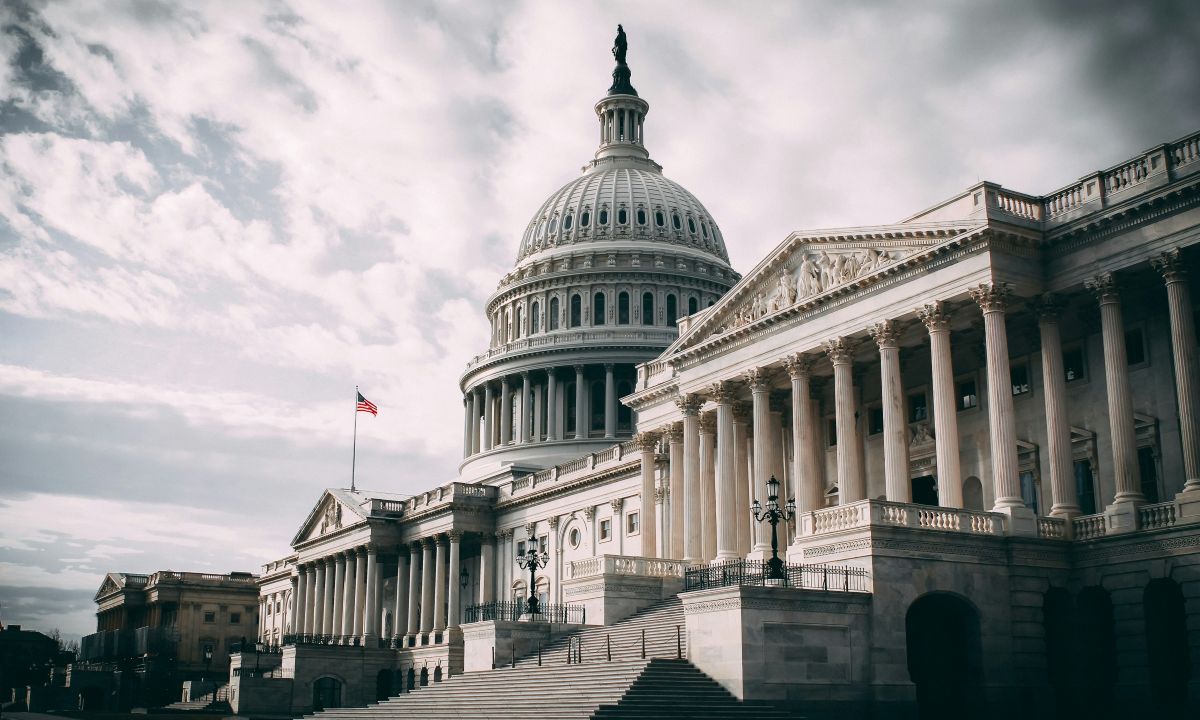
The Digital Asset Market Clarity Act failed to advance following a procedural vote in the U.S. Senate on September 15. Following the news, Coinbase stock declined by approximately 7%. House Speaker Mike Johnson subsequently announced that House votes were canceled, with lawmakers entering recess until after the November midterm elections.
The failed legislation leaves the industry without comprehensive federal market structure rules. In response, crypto companies and industry leaders, including Coinbase CEO Brian Armstrong, are shifting focus toward the Securities and Exchange Commission and the Commodity Futures Trading Commission to establish regulatory clarity through existing authority.
Banking groups, including the American Bankers Association and the Bank Policy Institute, issued a joint statement supporting digital-asset legislation while expressing concerns regarding stablecoin yield policies. They argue that stablecoins should not function as bank accounts, highlighting a core conflict over deposit control and financial regulation.
Despite the legislative setback, industry participants note that global businesses continue to utilize stablecoin rails for settlements. According to PYMNTS Intelligence data from March 2026, 13% of middle-market firms utilize stablecoins, while 5% employ other cryptocurrencies, reflecting a cautious approach to digital assets among companies.



