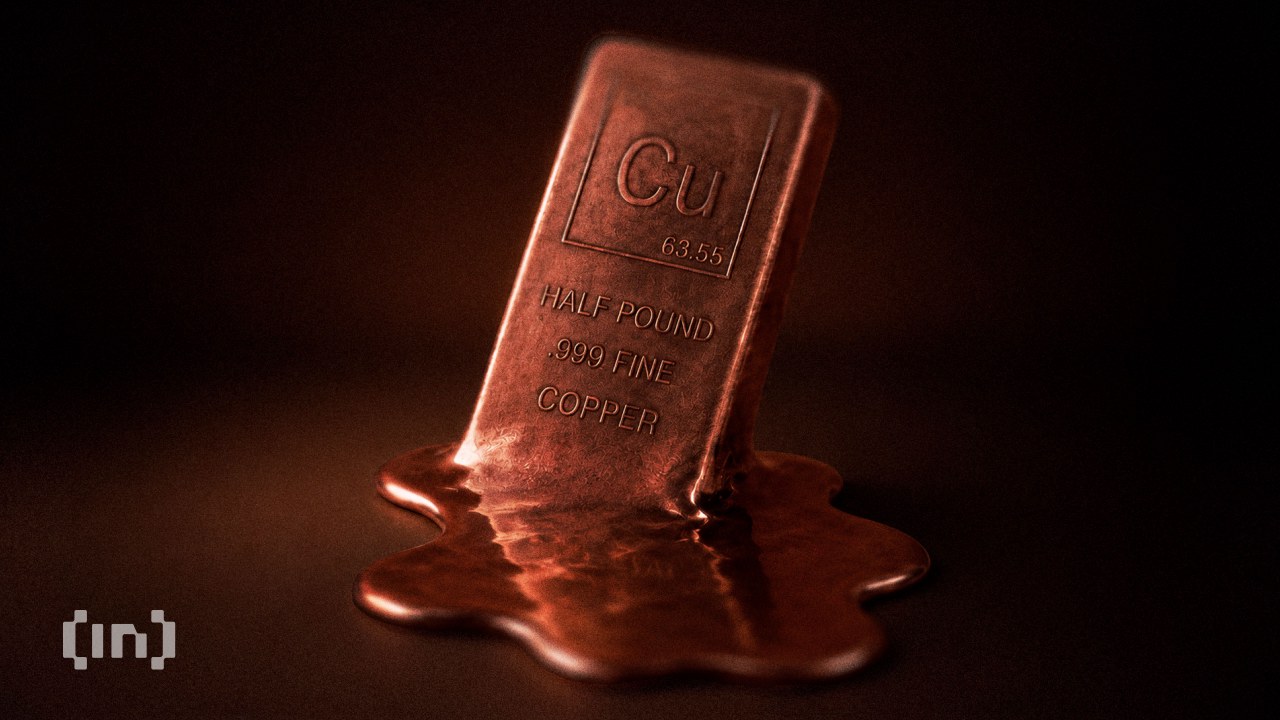
Copper prices on the London Metal Exchange dropped 3.2% to $13 883 per ton this Tuesday, hitting a three-month low. By Wednesday, the price recovered to over $14 100 following the US midterm elections. This decline follows a record high of $14 875 reached in September, signaling a potential shift in the metal's market momentum.
The selloff is driven by two primary factors. First, the downturn in AI-related stocks has impacted confidence in infrastructure spending for new data centers, where copper is a key component. Analyst Ed Meir noted that copper is aligning with the broader semiconductor market decline. Second, the election results reduced expectations for US tariffs on refined copper, which previously incentivized stockpiling.
Despite market volatility, physical demand remains robust. China's Yangshan copper premium is near $200 per ton, marking a decade-high level, while warehouse inventories in the country have decreased by over 75% in six months. Investors are currently prioritizing economic uncertainty over the tight supply conditions that physical buyers face.
Technical analysis shows copper prices in a descending channel after breaking an upward trendline. The $6.31 per pound level serves as critical support, with potential drops to $6.11 or $5.91 if breached. Conversely, a rebound could target resistance at $6.70. J.P. Morgan projects an average price of $14 800 per ton for the fourth quarter.