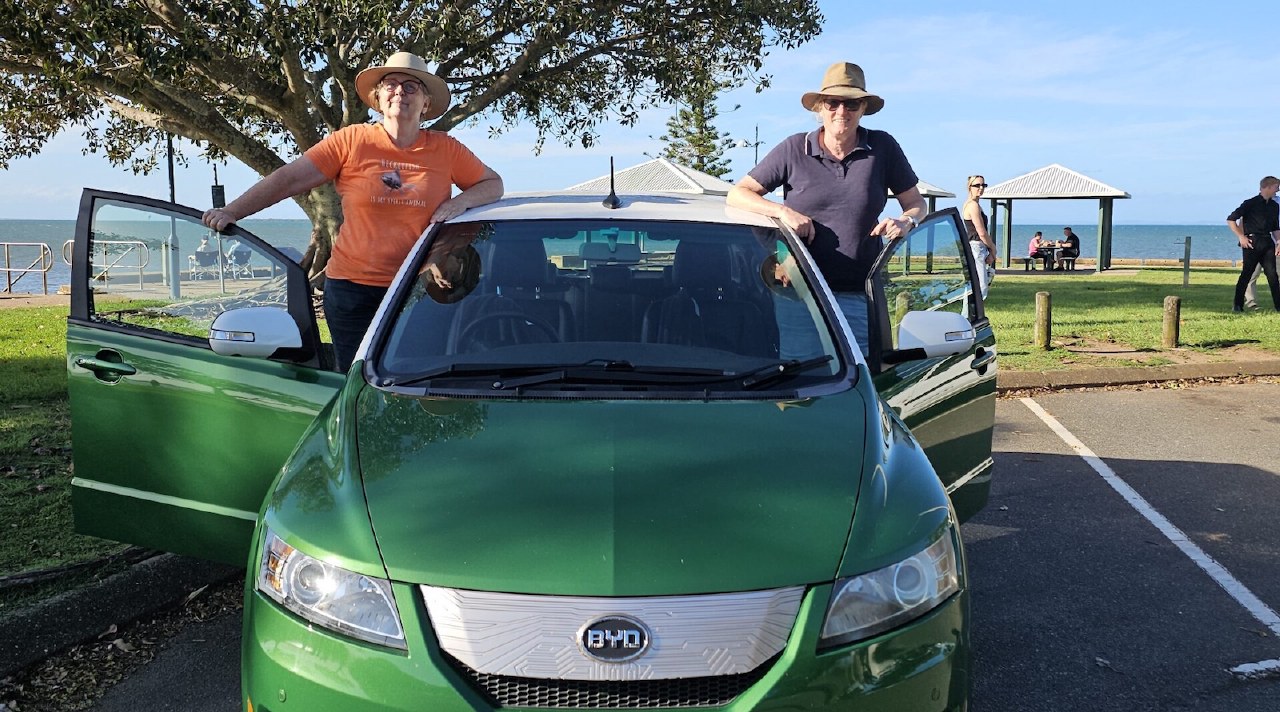
BYD celebrated its 32nd anniversary on November 18, 2026, marking its evolution from a Shenzhen-based battery manufacturer to a global automotive player. The company was founded in 1994 by a team of over 20 people in a rented factory. It entered the lithium-ion battery sector in 1996 and transitioned into the automotive industry in 2003 by acquiring Xi'an Qinchuan Automobile.
The company launched its first mass-produced vehicle, the F3, in 2005, followed by the F3DM plug-in hybrid in 2008. Expansion into commercial vehicles began in 2009, with an electric bus plant opening in California in 2013. By 2015, BYD adopted a comprehensive strategy covering the entire new energy vehicle supply chain, extending into logistics, port operations, and mining.
BYD has now produced over 19 million new energy vehicles. Recent milestones include the opening of an overseas passenger car factory in Thailand in 2024 and a production facility in Brazil in 2025. The Thai plant currently employs approximately 6,000 people and has an annual production capacity of 150,000 vehicles, with over 95% of the workforce hired locally.
In the first 10 months of 2026, BYD exported 1,513,154 new energy vehicles, representing a 93.75% year-on-year increase. During the same period, domestic sales in China reached 2,108,590 units, a 27.81% decline, while global sales totaled 3,621,744 vehicles, down 2.16% compared to the previous year. The company also operates a fleet of 8 roll-on/roll-off car carriers.
Technological developments continue to be a focus for the manufacturer. In March 2026, BYD introduced its second-generation Blade Battery and new flash charging technology. The system is designed to charge a battery from 10% to 70% in 5 minutes, and from 10% to 97% in 9 minutes. The company intends to further expand local research and development efforts in its international markets.