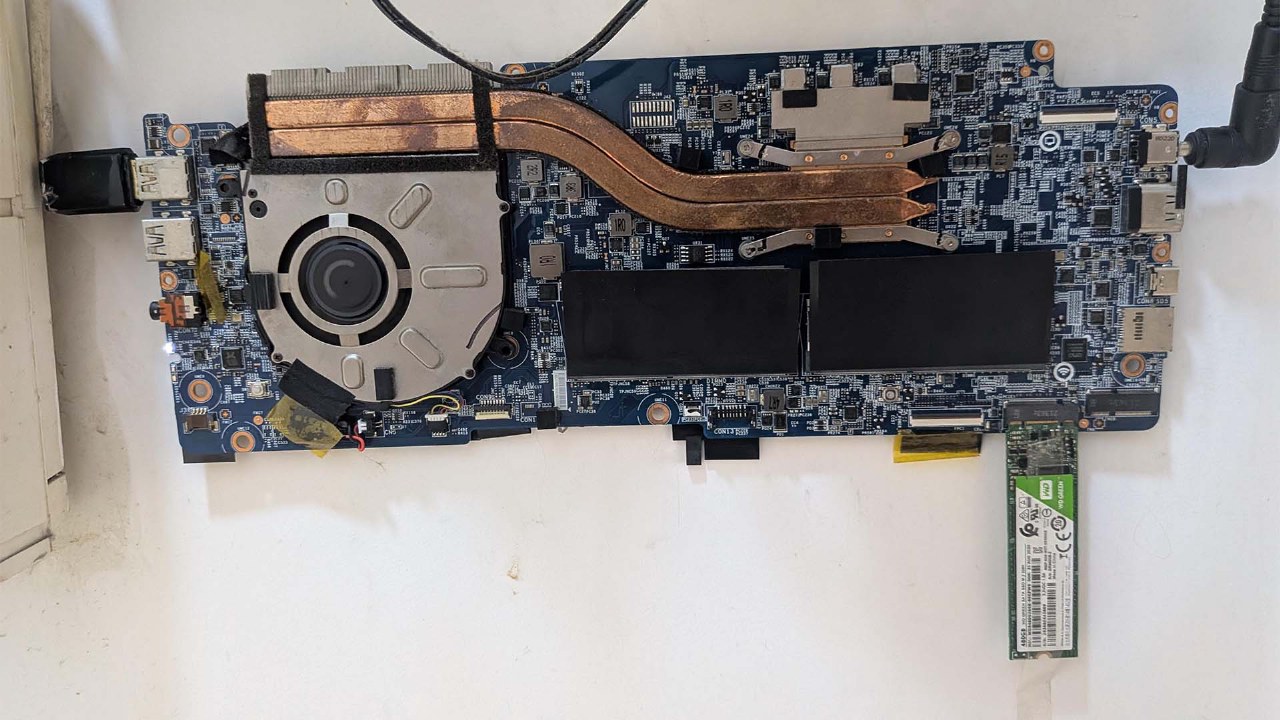
The project involves building a custom Pip-Boy replica using a Raspberry Pi 1. The creator utilized a 3D-printed case, which required 17 hours of printing time and manual adjustments with glue and sandpaper to ensure a proper fit. The device is powered by the Raspberry Pi 1, running the 2020-02-13 Raspbian Buster OS image.
For the display, the builder used a 3.5-inch TFT screen with an XPT2046 touchscreen, requiring custom drivers from the Waveshare repository. Audio is handled by a PAM8403 2x3W amplifier module. Connectivity is provided by a TP-Link WN727N Wi-Fi adapter, which was manually soldered and wired using a twisted pair to ensure stable data transmission.
Input controls include a 6-position rotary switch and an incremental encoder. The hardware uses a 10 kOhm pull-up resistor setup for the switch and a quadrature decoder for the encoder. The software is based on the sabas1080/pypboy repository, originally written in Python 2.7, which was modified to include new features.
The updated software now supports custom screens for weather forecasts via Open-Meteo, clock displays, and currency exchange rates for USD, EUR, CNY, BTC, ETH, and TON. The system also includes a status screen displaying CPU temperature, which remains within 50–60 degrees Celsius during operation.