

Besxar, founded by former OpenAI employee Ashley Pilipiszyn, is developing an orbital semiconductor factory to produce advanced chip precursors. The company has raised nearly $14 million, including a $9 million seed round led by Dauntless Ventures and Overture VC.
The startup has reached an agreement with SpaceX to prototype its technology across a dozen flights using Falcon 9 rocket boosters. This approach leverages the vacuum of space to avoid the need for expensive pressurized clean rooms required on Earth to prevent contamination.
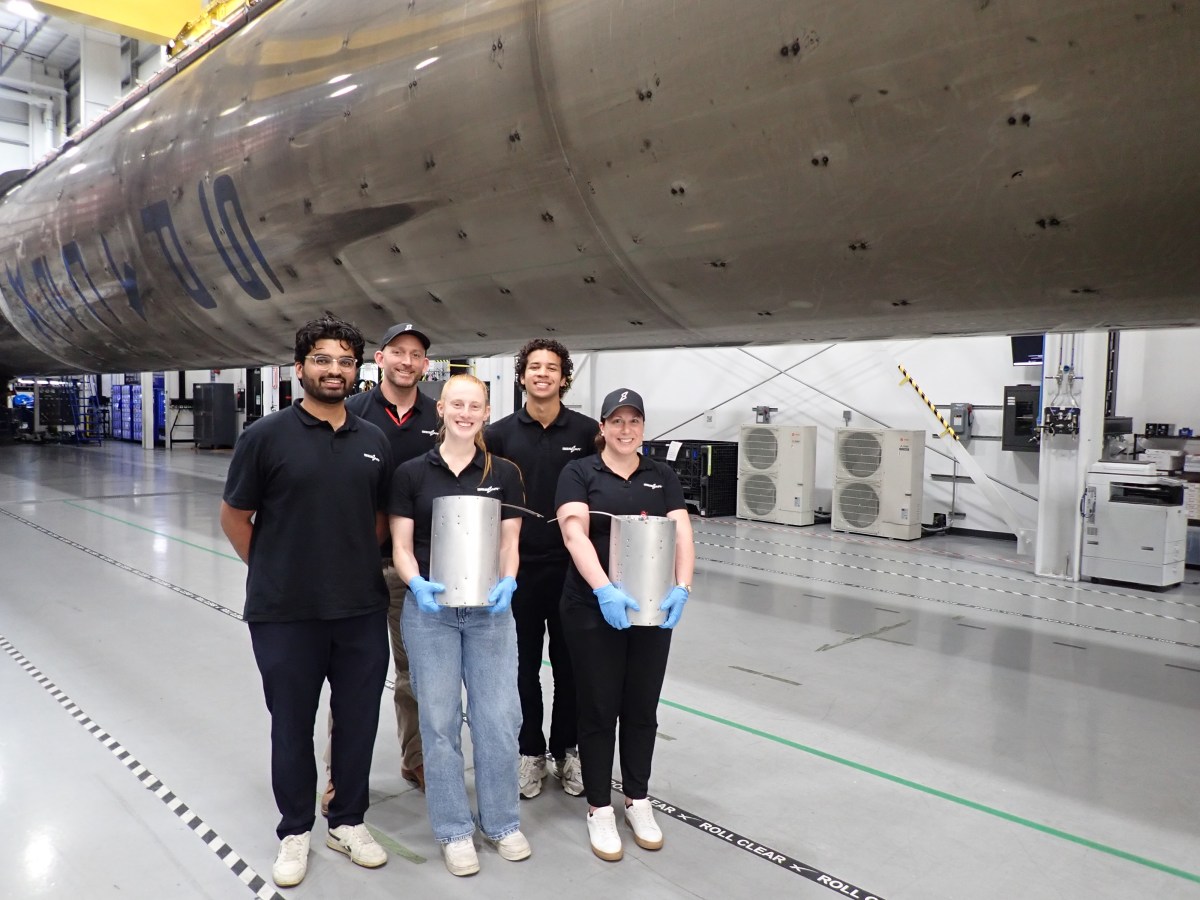
In July, Besxar launched its first two fabships, which are small canisters designed to test semiconductor materials. Despite a flight data system malfunction in one canister, the company confirmed that the samples returned were cleaner than terrestrial wafers.
Over the next two years, Besxar plans to iterate its process, starting with heating wafers and then depositing materials. The long-term goal is to produce qualification samples and eventually scale to hundreds or thousands of wafers per fab using larger vehicles like SpaceX's Starship.
The company aims to supply wafers for advanced chips used in data centers, robots, and electric vehicles. Besxar's scaling depends on the availability of cheap rockets from providers like SpaceX, Rocket Lab, or Stoke Space.