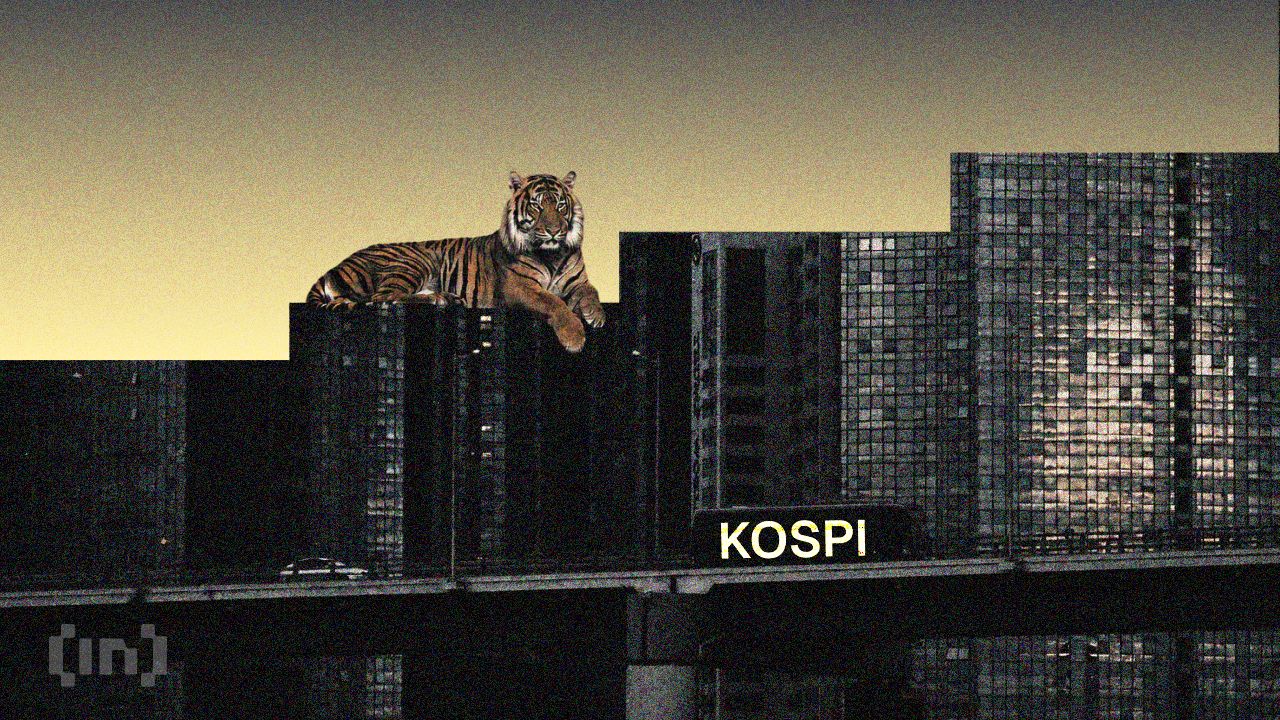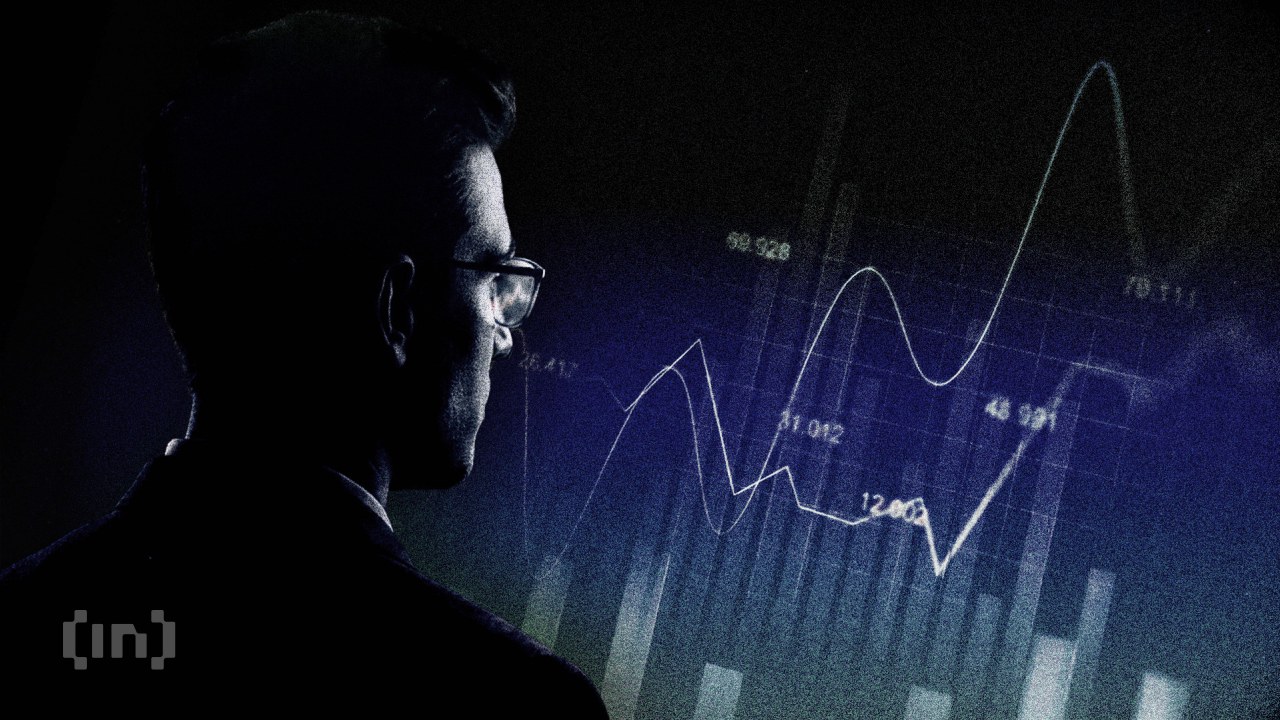
The KOSPI index experienced significant fluctuations, dropping to 6,920 before recovering to 7,058.06. The Bank of Korea reported that the index's daily volatility reached 4.1%, which is double the levels observed in Japan and Taiwan. This volatility is attributed to the high concentration of semiconductor companies, as Samsung Electronics and SK Hynix account for 51.2% of the index.
During the recent market selloff, these two chipmakers were responsible for 69.3% of the decline. Foreign investors sold a net ₩496.4 billion in shares, impacting major companies including Hyundai Motor and LG Energy Solution. Additionally, the value of two-times leveraged ETFs tied to the chipmakers surged from $3.33 billion to $10.7 billion within one month of their May listing.
The Bank of Korea highlighted that retail margin loans reached record levels before decreasing during the correction. The central bank now recommends stricter monitoring of leveraged ETFs. External pressures, such as Brent crude oil prices remaining above $100 per barrel and the US 10-year Treasury yield nearing 4.84%, continue to influence the import-dependent South Korean economy.
Market activity was further affected by quadruple witching, which introduced derivatives-driven volatility. Despite these challenges, analyst Han Ji-young from Kiwoom Securities anticipates that share buybacks and the return of foreign investors may provide necessary support for the index as it attempts to maintain the 7,000 mark.