

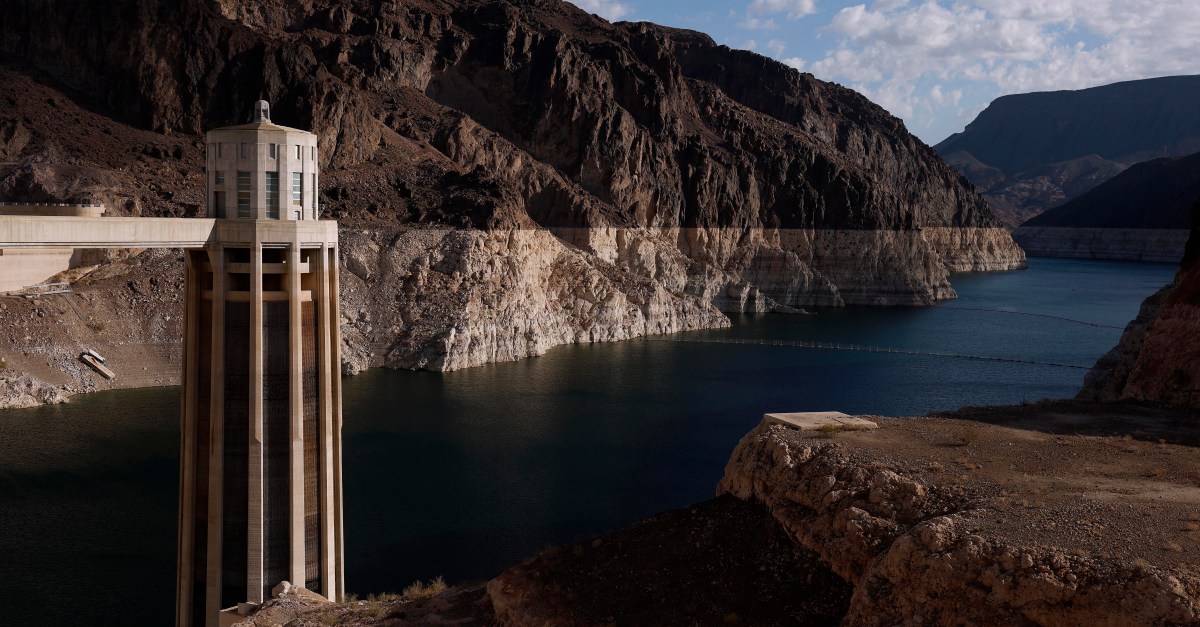
Arizona faces a significant reduction in its water supply from the Colorado River, with federal cuts set to remove at least 760,000 acre-feet of water annually starting in 2027. This decision follows the expiration of management guidelines and the failure of western states to reach a new agreement on water allocation.
The state serves as a major hub for semiconductor manufacturing, hosting large-scale expansion projects by Intel and TSMC. Intel plans to invest $32 billion in new and existing facilities, supported by a $7.86 billion federal grant. TSMC is constructing at least six new fabs in Phoenix, backed by up to $6.6 billion in funding from the 2022 CHIPS and Science Act.
Semiconductor production is highly water-intensive, requiring ultra-pure water for cleaning and etching. A typical facility may consume 10 million gallons of ultra-pure water daily, necessitating up to 16 million gallons of municipal supply. TSMC currently recycles 65 percent of its water in Arizona, with plans to increase this to 90 percent upon completing a new reclamation plant.
While industrial use accounts for 6 percent of Arizona's water consumption compared to 70 percent for agriculture, the rapid growth of the chip industry raises concerns about long-term resource sustainability. Phoenix officials state that the city is prepared for the cuts through stored underground water, though residents and businesses expect rising utility costs due to new infrastructure needs.
Phoenix maintains a uniform rate structure for water, meaning industrial giants like TSMC will face the same price increases as residential customers. As the region navigates the impact of climate change and prolonged drought, local leaders continue to advocate for federal support to mitigate the financial burden of adapting to a more limited water supply.


